Applied science, with a reading path.
Recovery and training adaptation
Explore recovery as part of the adaptation process. Sleep, energy and continuity help structure the reasoning; the return-to-sport articles discuss decisions that require individual assessment.
Back to the librarySelected reading
 Performance
Circadian rhythm: your body does not need a perfect routine—it needs consistent signals
How light, sleep, food and training help the body recognize when to speed up, recover and sleep.
 Performance
Mitochondria: the invisible capacity that turns training into performance
What really improves your ability to produce energy — and why training, fuel, and recovery come before supplements.
 Nutrition
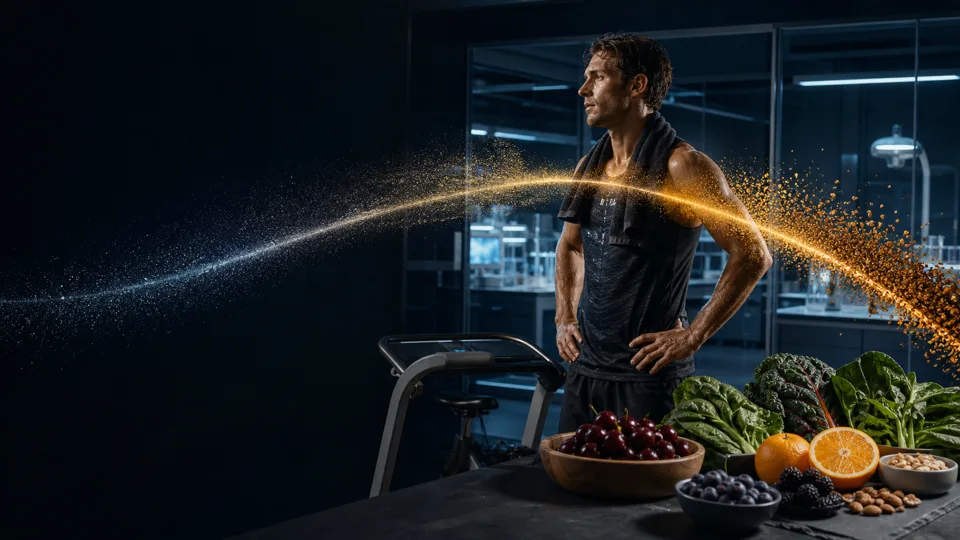
Antioxidants in sport: overprotecting can also cost adaptation
What the 2026 ISSN position stand actually supports about food, supplements, recovery, and the risk of erasing useful training signals.
 Health
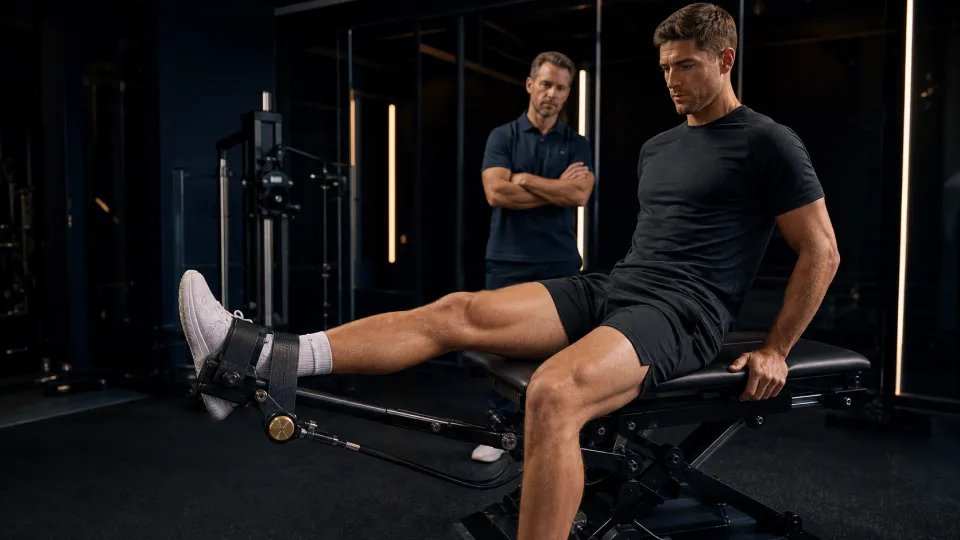
ACL tear: rehabilitation before surgery can change the decision
As pre-habilitation reveals who can follow without reconstruction — and when instability, demand and associated injuries favor surgery.
 Sports science
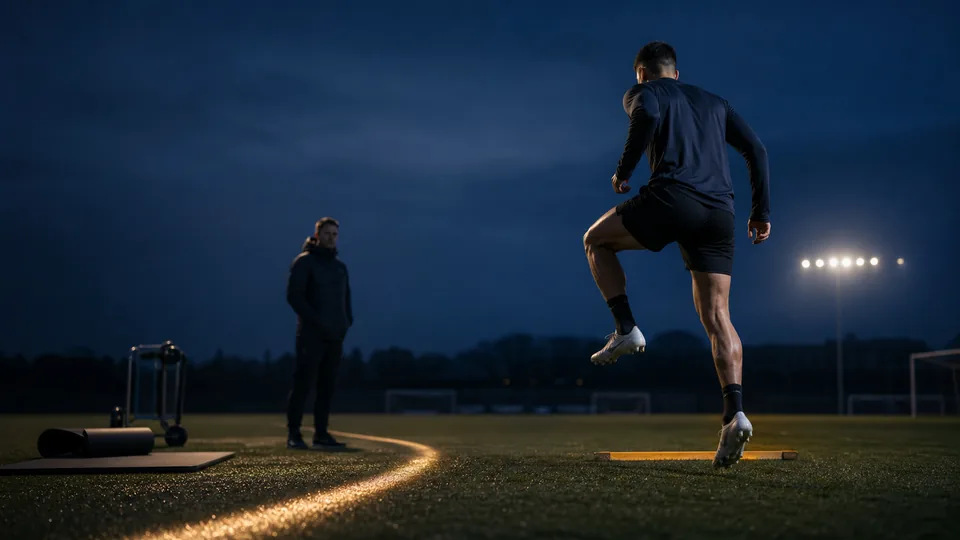
The test still showed a deficit. Why did the athlete return anyway?
What 30 weeks after a rupture of the patellar tendon teach about strength, field load, function and confidence in the decision to return.
 Performance
Hamstring injury: what 19 days really mean
A study of 42 players found a median return time of 19 days. Understand reinjuries, limitations and criteria for deciding the next step.