

Chapter 01 · 5 min
Availability and readiness
Being unrestrained opens the door. Being ready requires capacity, confidence and tolerance to respond to real demand.
Open collection · Performance Journal
A sequence for thinking about availability, return, adaptation, and contribution as parts of the same competitive system.
How to use the collection
Order matters: the first rules qualify the return process; the next ones connect the season, adaptation, and collective value. Read, compare them with your reality, and mark each chapter when you finish.
This material provides general education. It does not replace clinical assessment, individual prescription, or a contextualized professional decision.
Movement 01 · return and readiness
Distinguish access, readiness, participation, and performance before increasing the demand.
Being unrestrained opens the door. Being ready requires capacity, confidence and tolerance to respond to real demand.
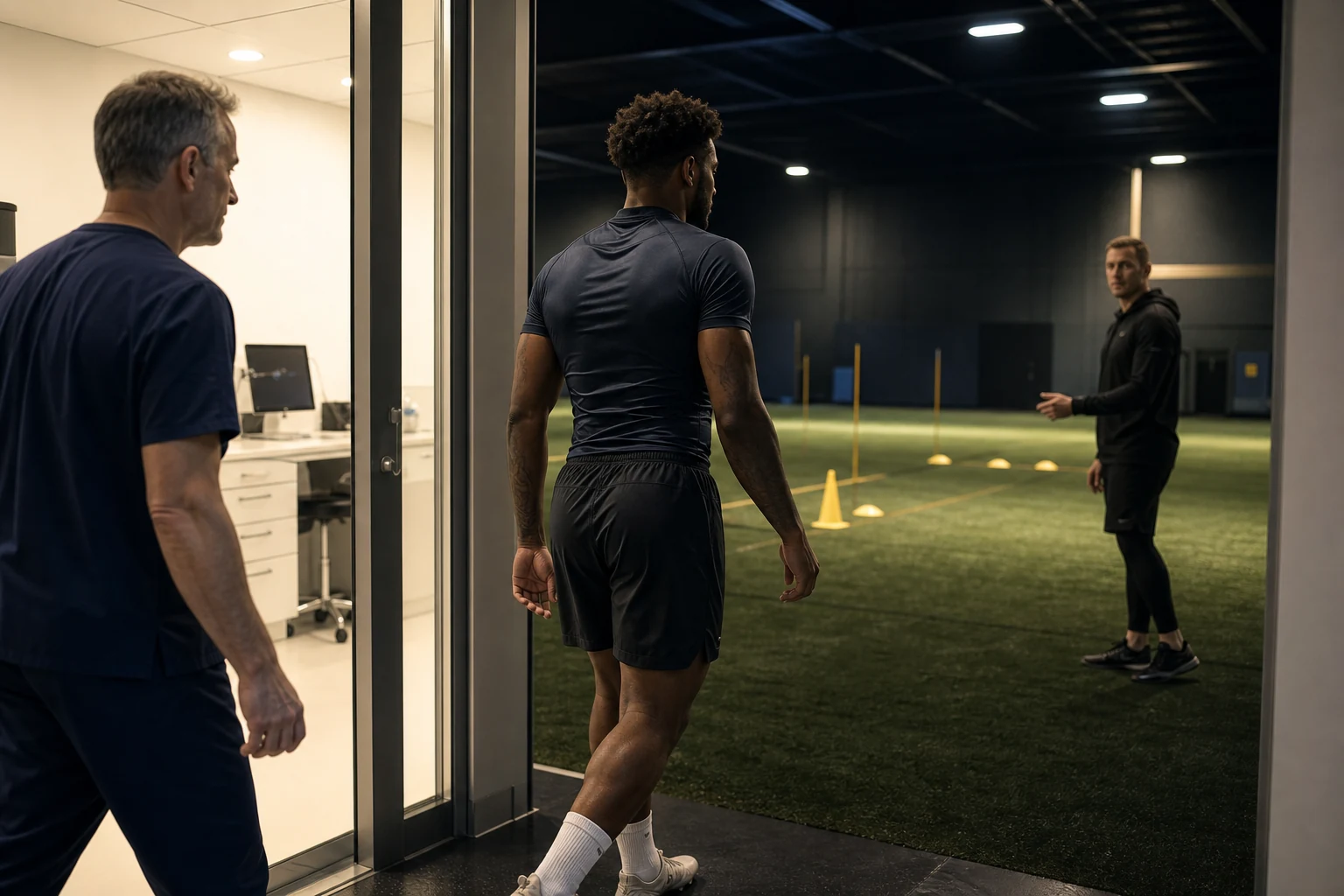
Medical clearance ends a clinical restriction. Performance still requires rebuilding tolerance, specificity, and confidence.
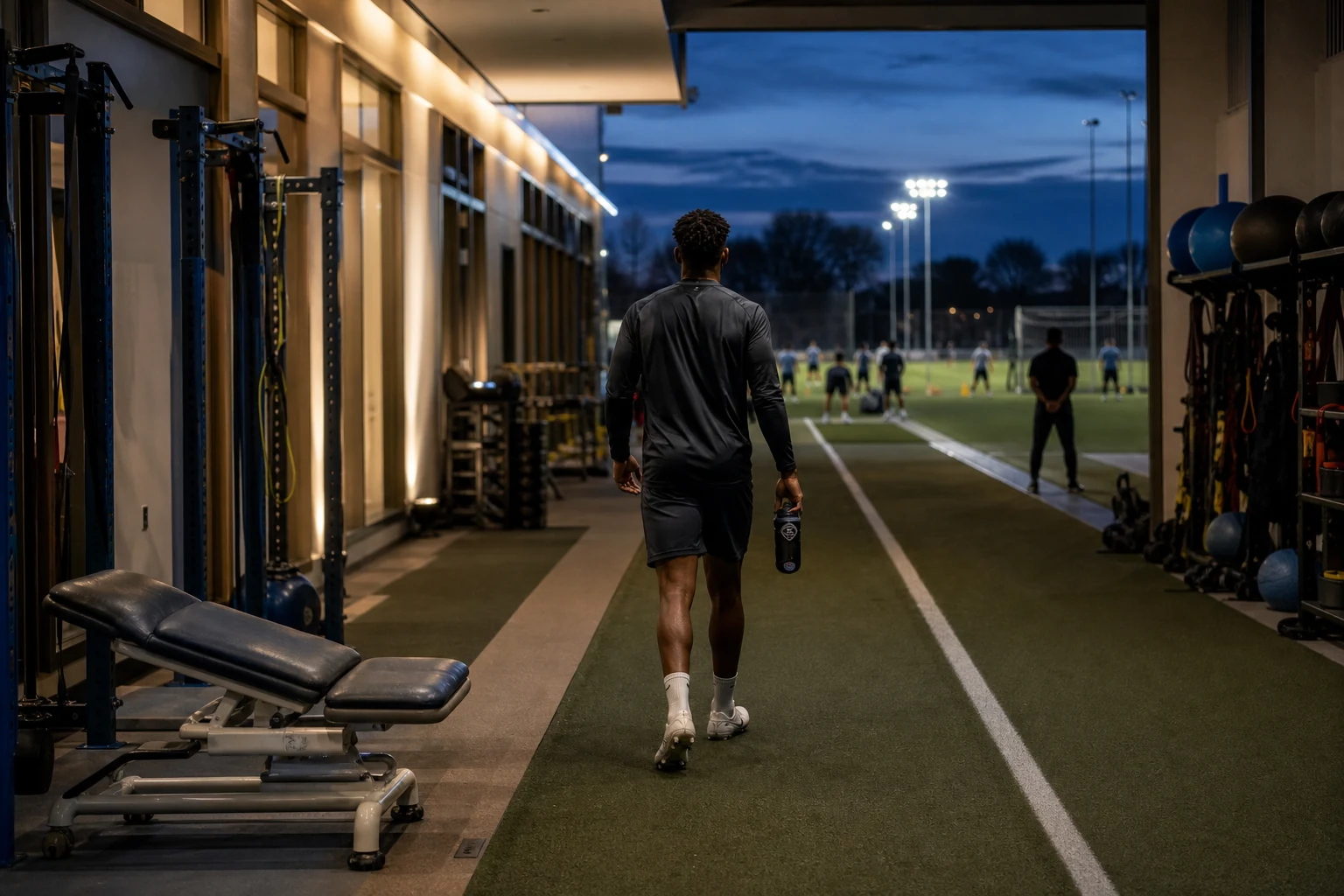
Participating, returning to sport and recovering performance are distinct states that require precise progression and language.
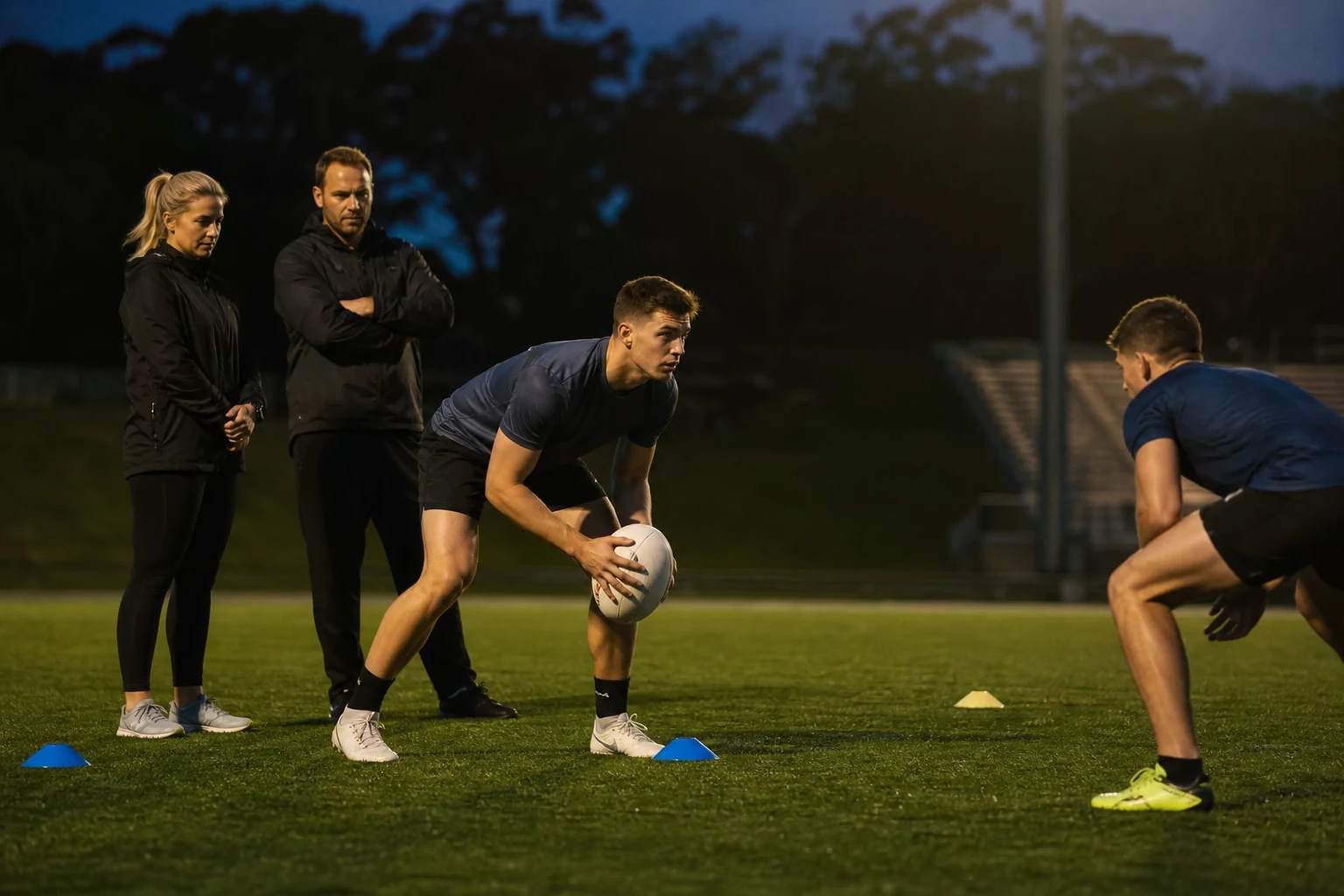
Strength and function matter, but confidence, fear, and perception of safety also change decision and execution.
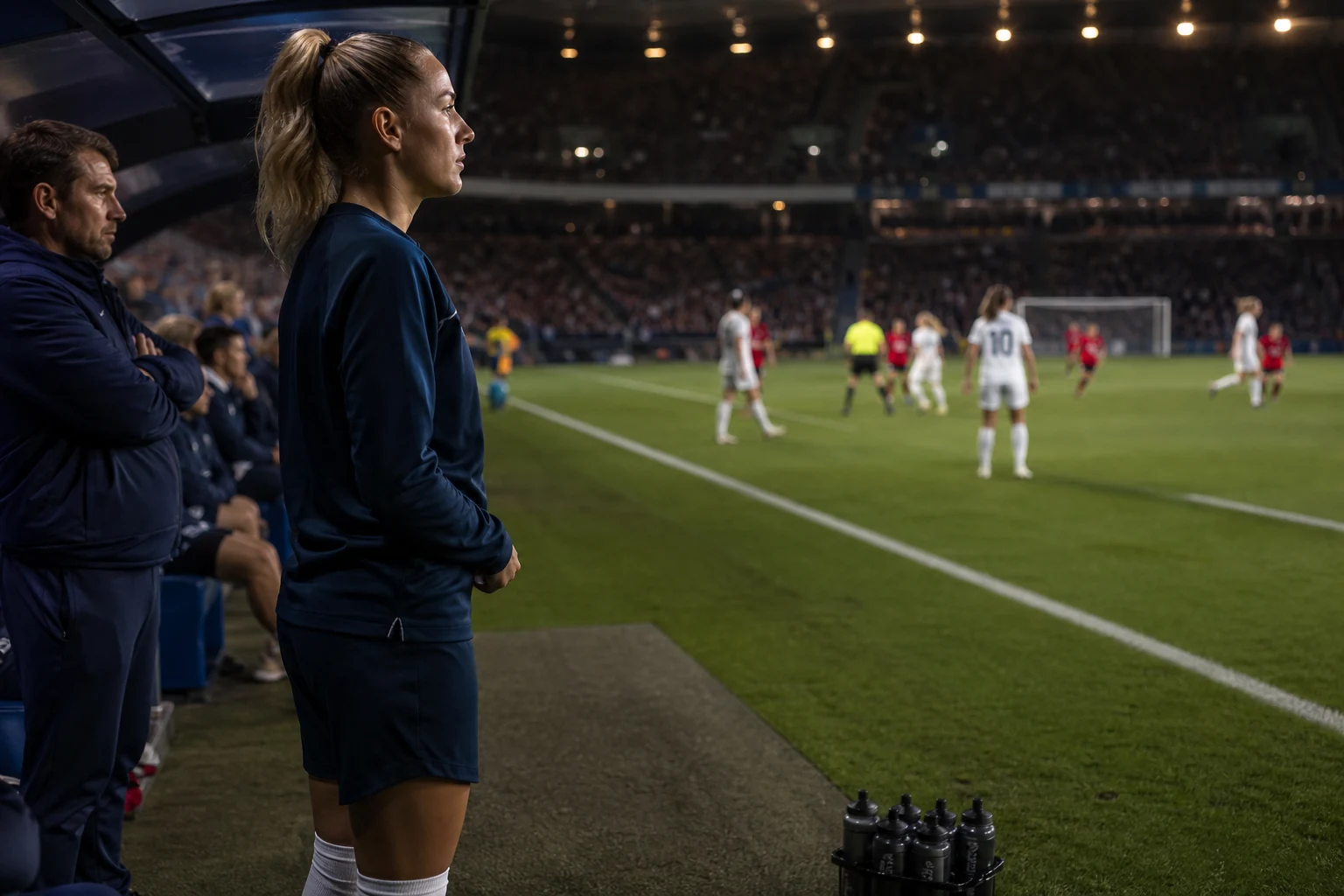
Minutes on the field confirm participation. Performance requires regaining influence, repetition and competitive tolerance.
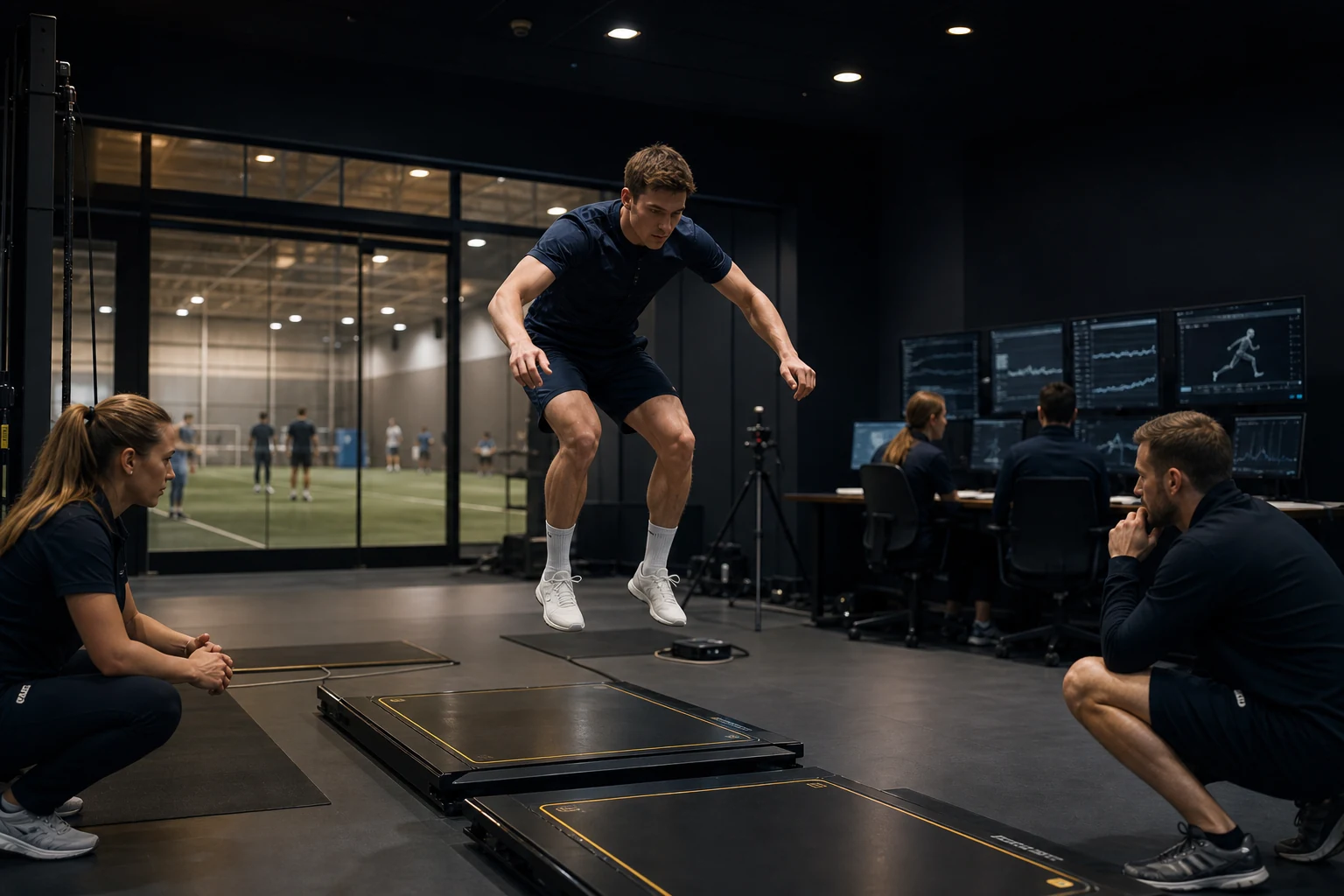
Science describes return to sport better than sustained recovery of competitive performance.
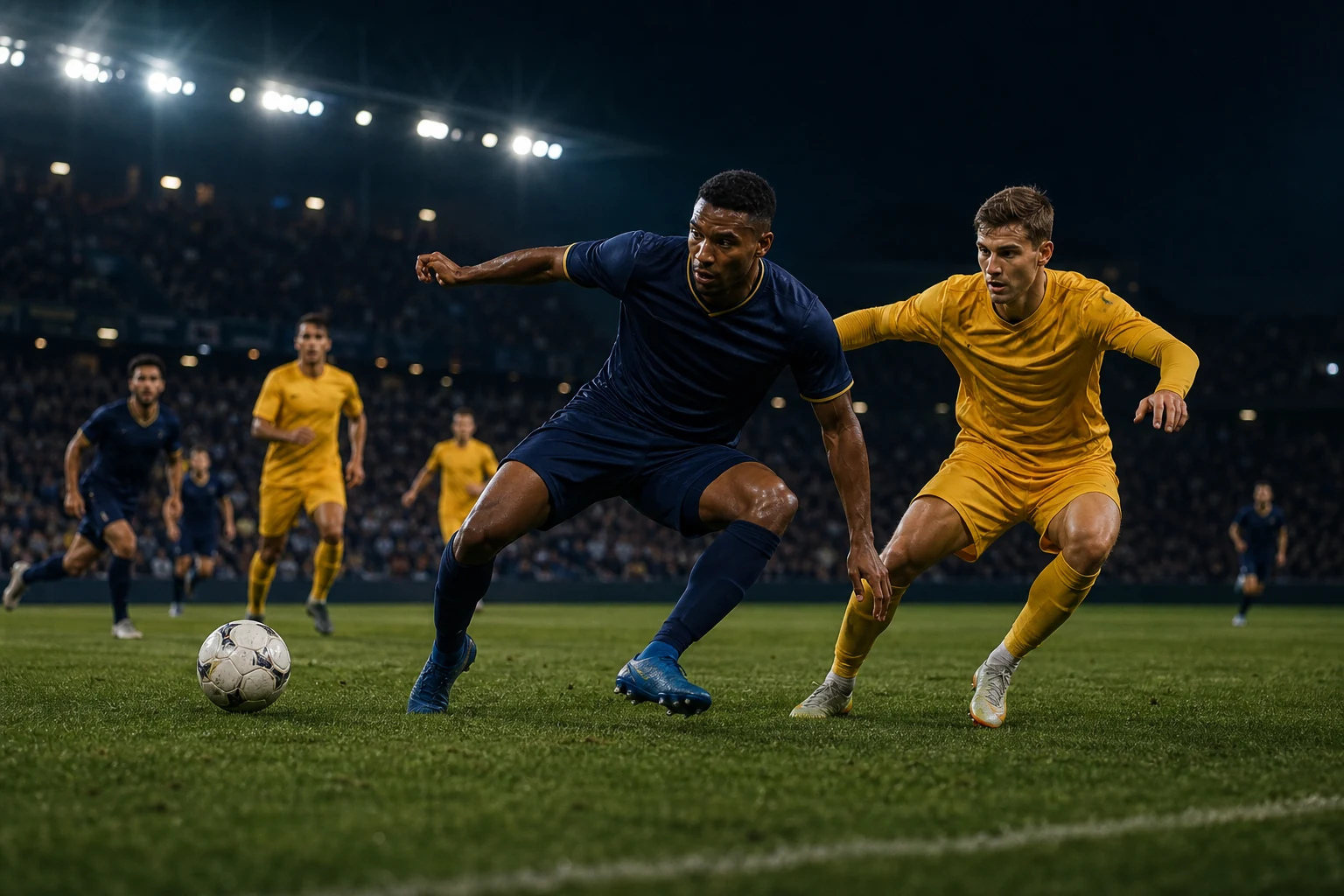
The game combines intensity, decision, contact, fatigue and consequences in a density that the clinic does not need to reproduce.
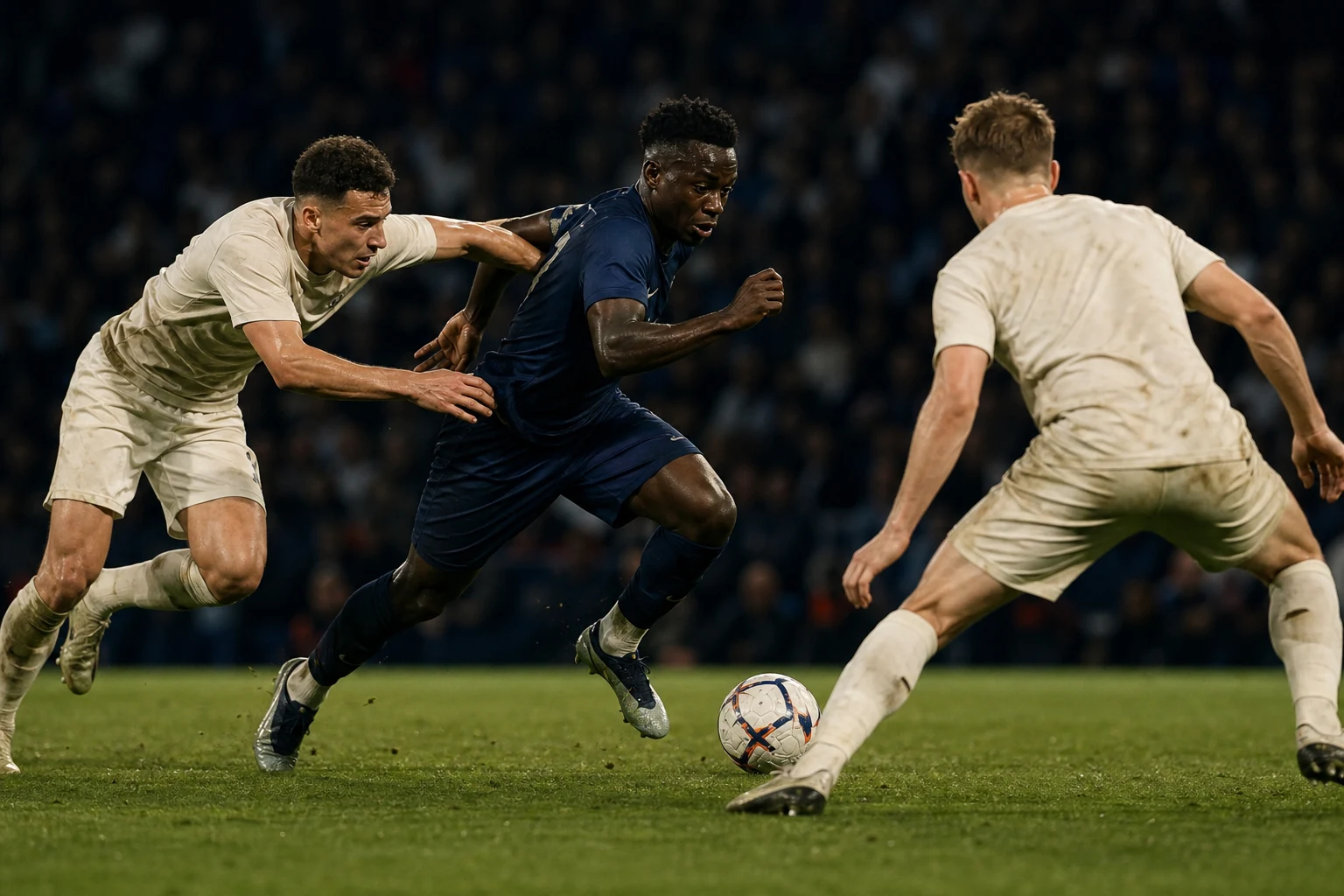
In professional football, the incidence of injuries in matches is much higher than that observed in training — and the context explains part of the difference.
Movement 02 · season and evidence
Recognize the reality of the season, interpret associations, and do not promise causality where it has not been demonstrated.
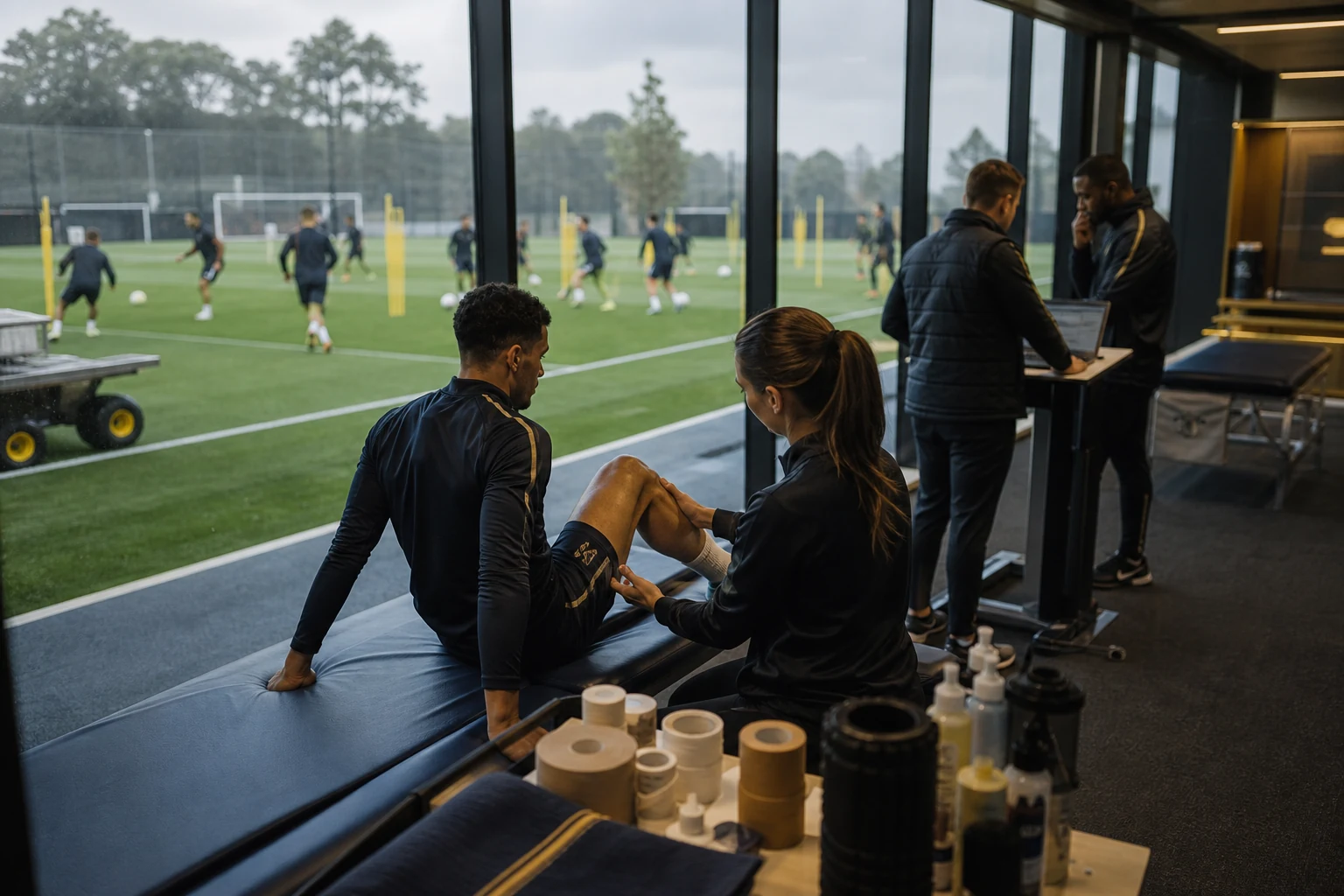
Recognizing risk is not accepting carelessness: it is planning prevention, contingency and return before the season is interrupted.
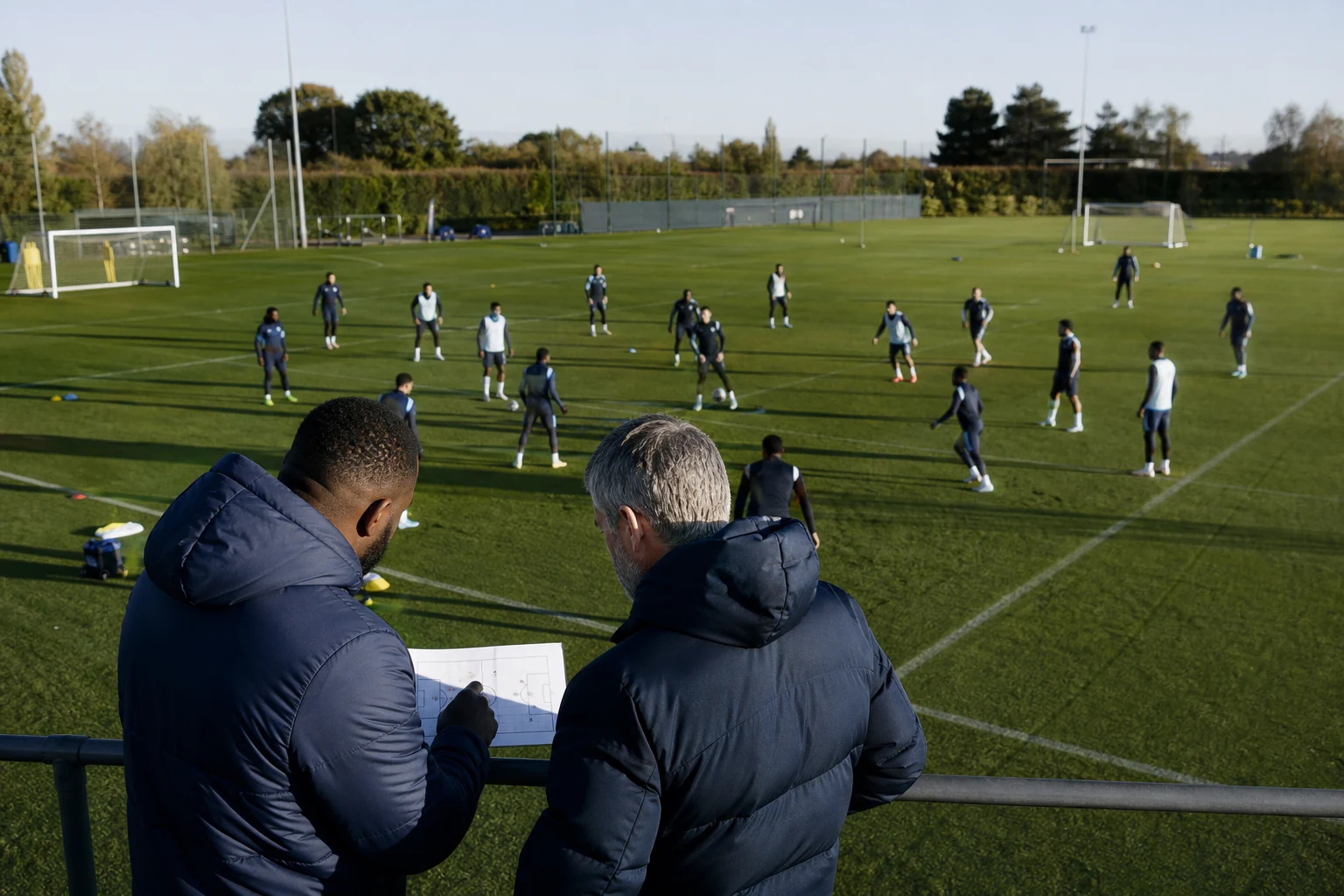
Teams with more athletes available tend to obtain better results, but the data needs to be read as an association and context.
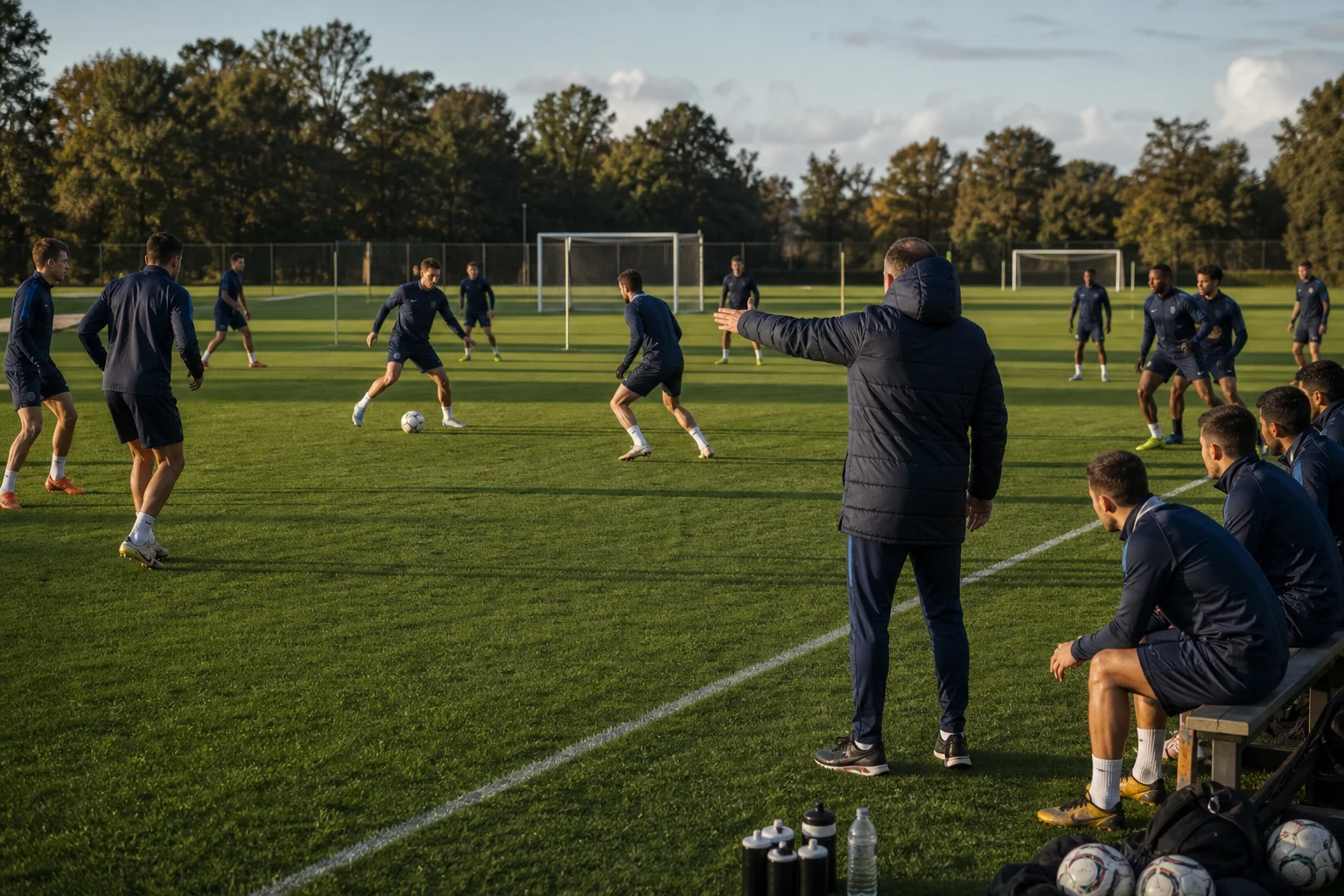
Reducing the injury burden preserves choice, continuity, and training—advantages that increase chance, not guarantee victory.
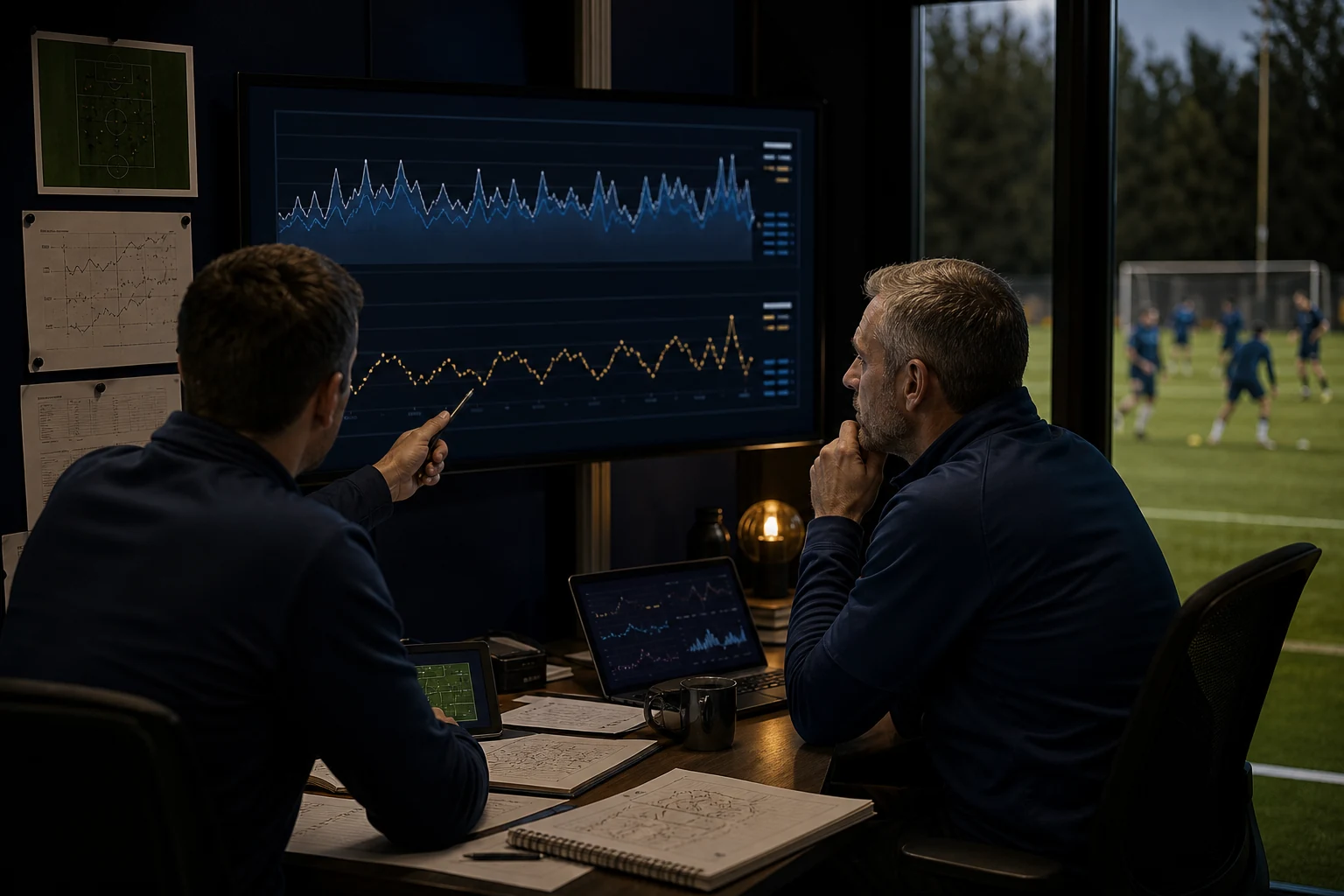
Availability and victory go hand in hand in studies, but better teams can also create environments that protect athletes.
Movement 03 · sustainable adaptation
Connect load, recovery, repetition, and interruption to the process through which the body matures.

The stimulus initiates the response; well-dosed continuity allows this response to accumulate as capacity.
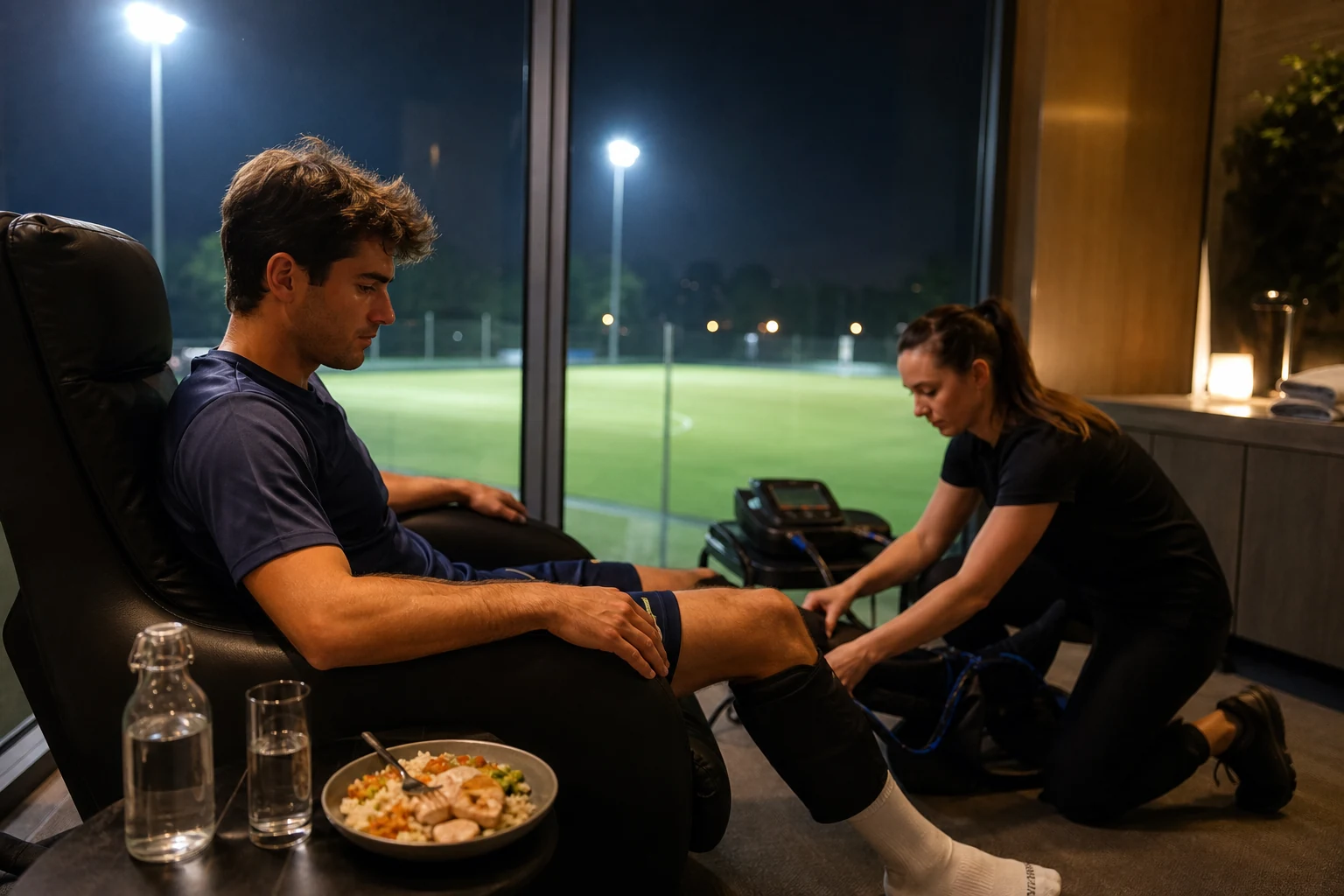
Charge is the cost of the stimulus. Adaptation depends on resources and time to transform this cost into capacity.
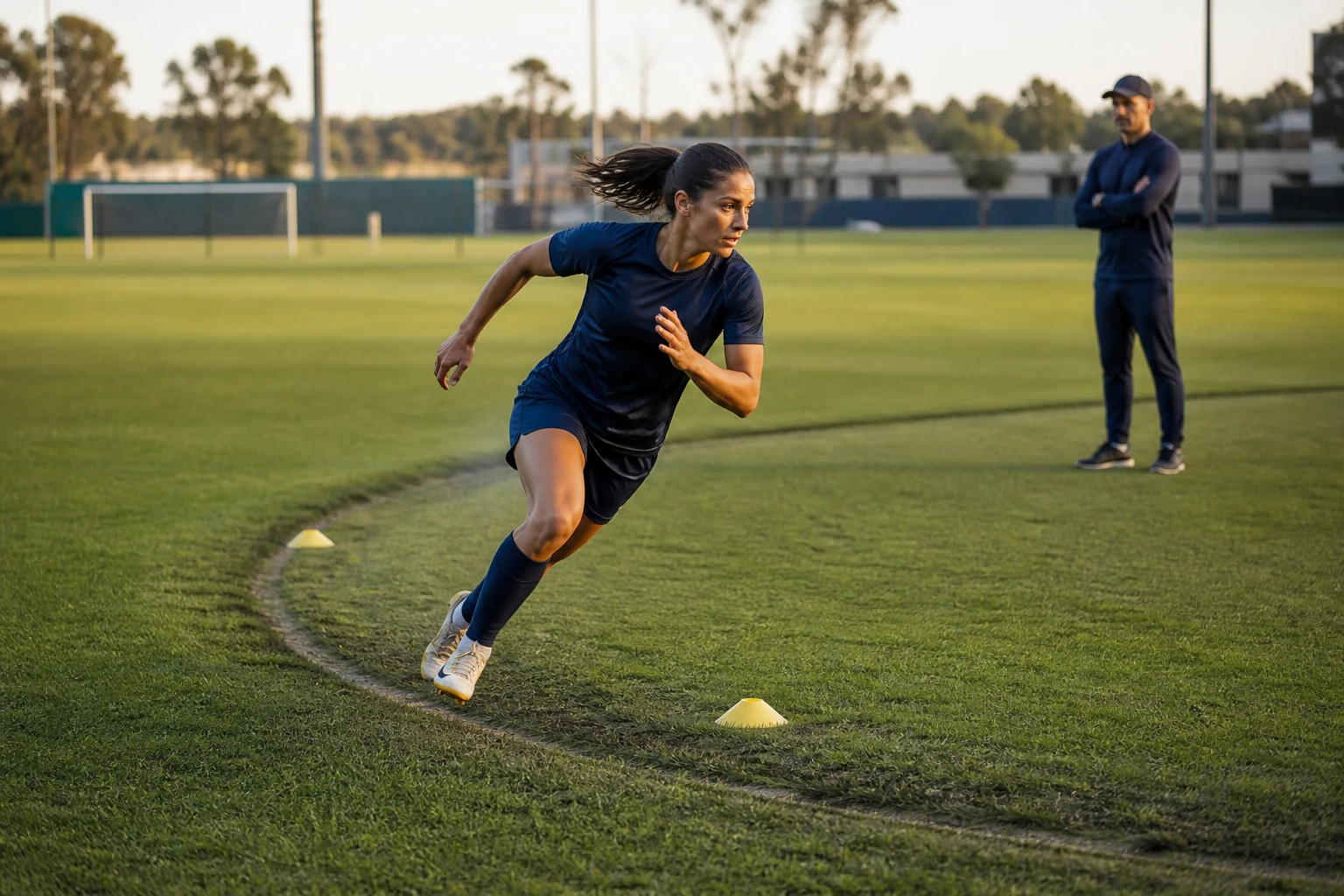
Capacity and tolerance grow when the body meets a demand in doses that it can recognize and assimilate.
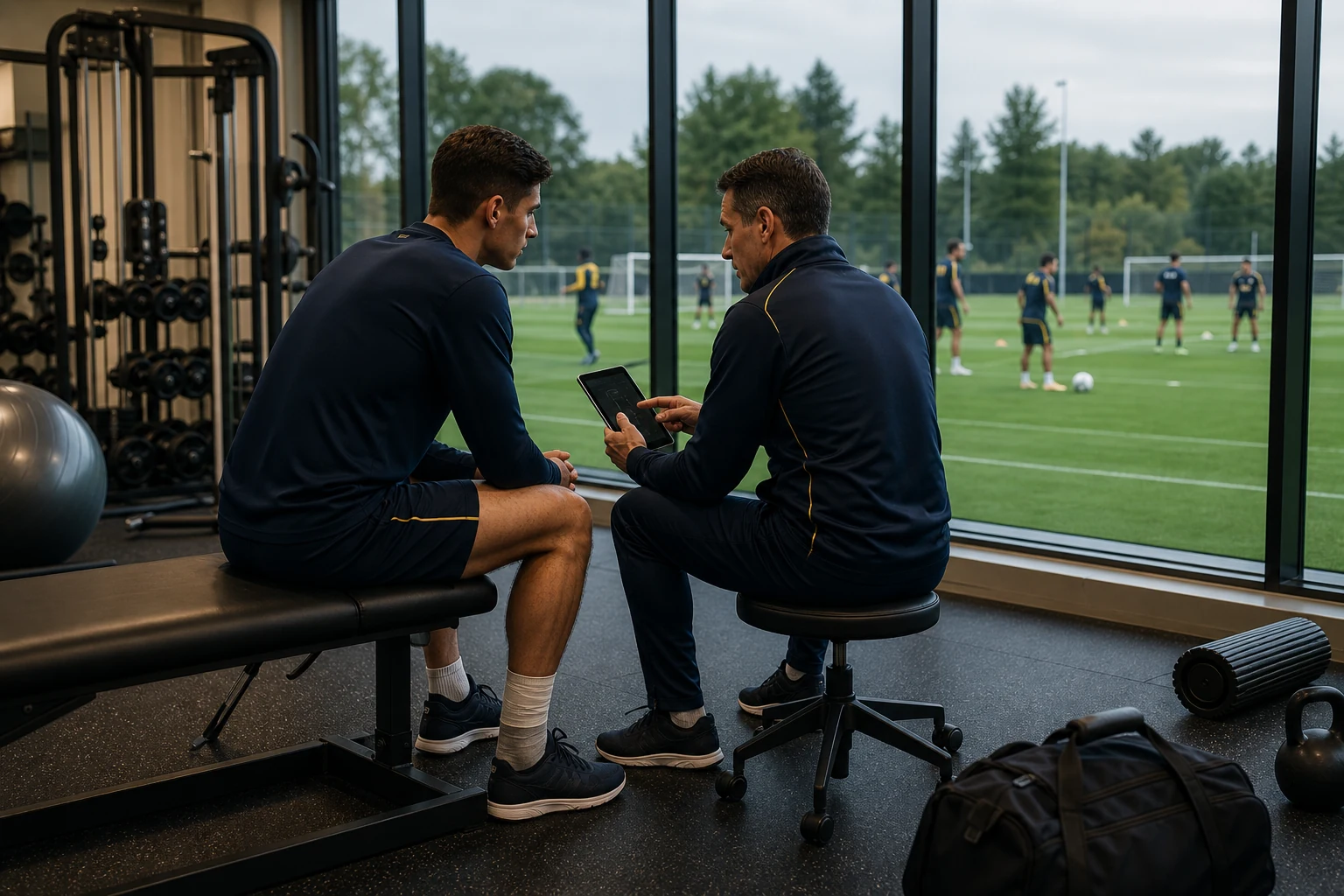
Time away doesn't just reduce conditioning: it interrupts exposure, timing, confidence and relationships that will need to be rebuilt.
Movement 04 · collective value
Understand how unavailability, reliability, and role change the entire competitive system.
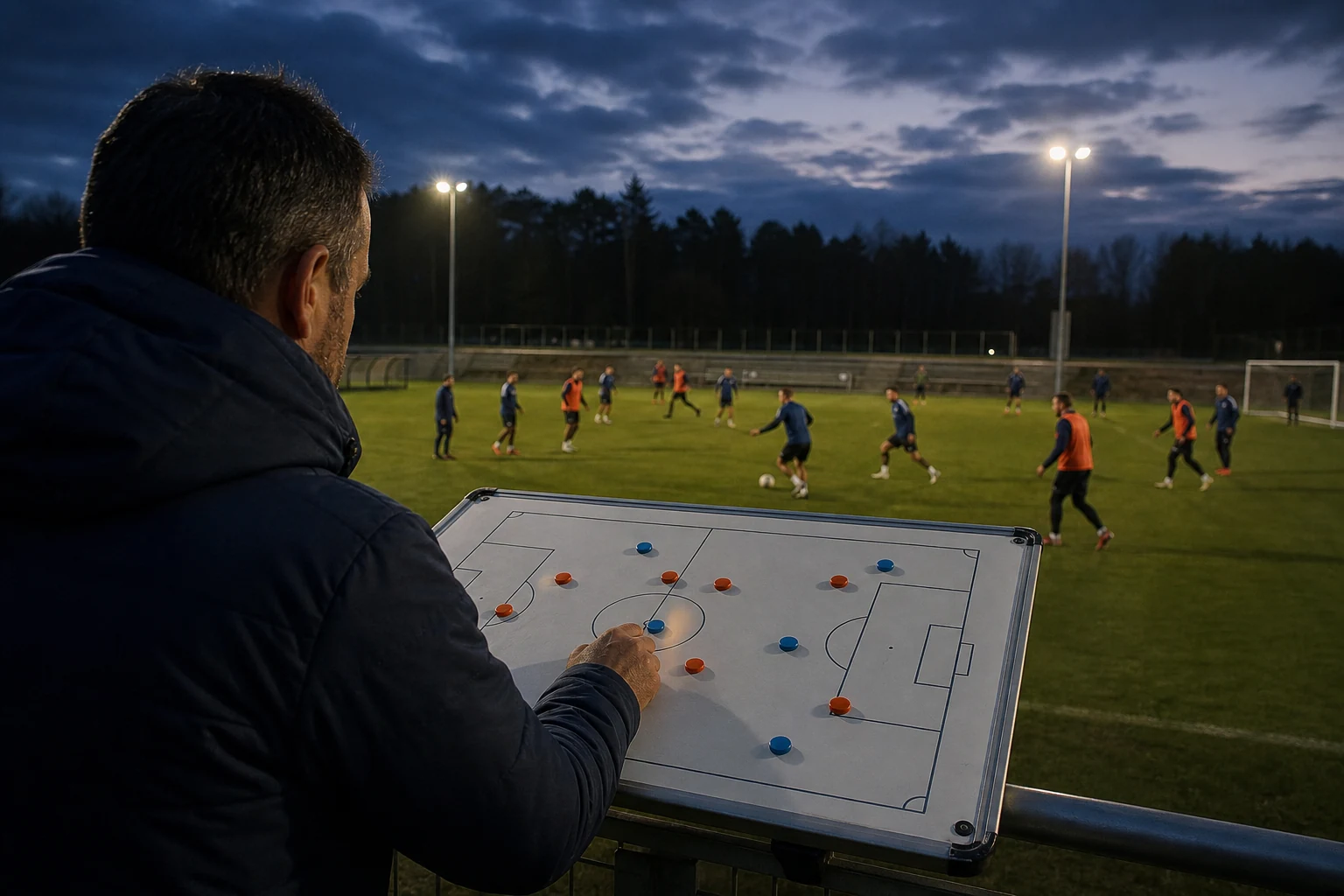
When an athlete leaves, load, function, training and decisions are redistributed. The injury is never restricted to one person.
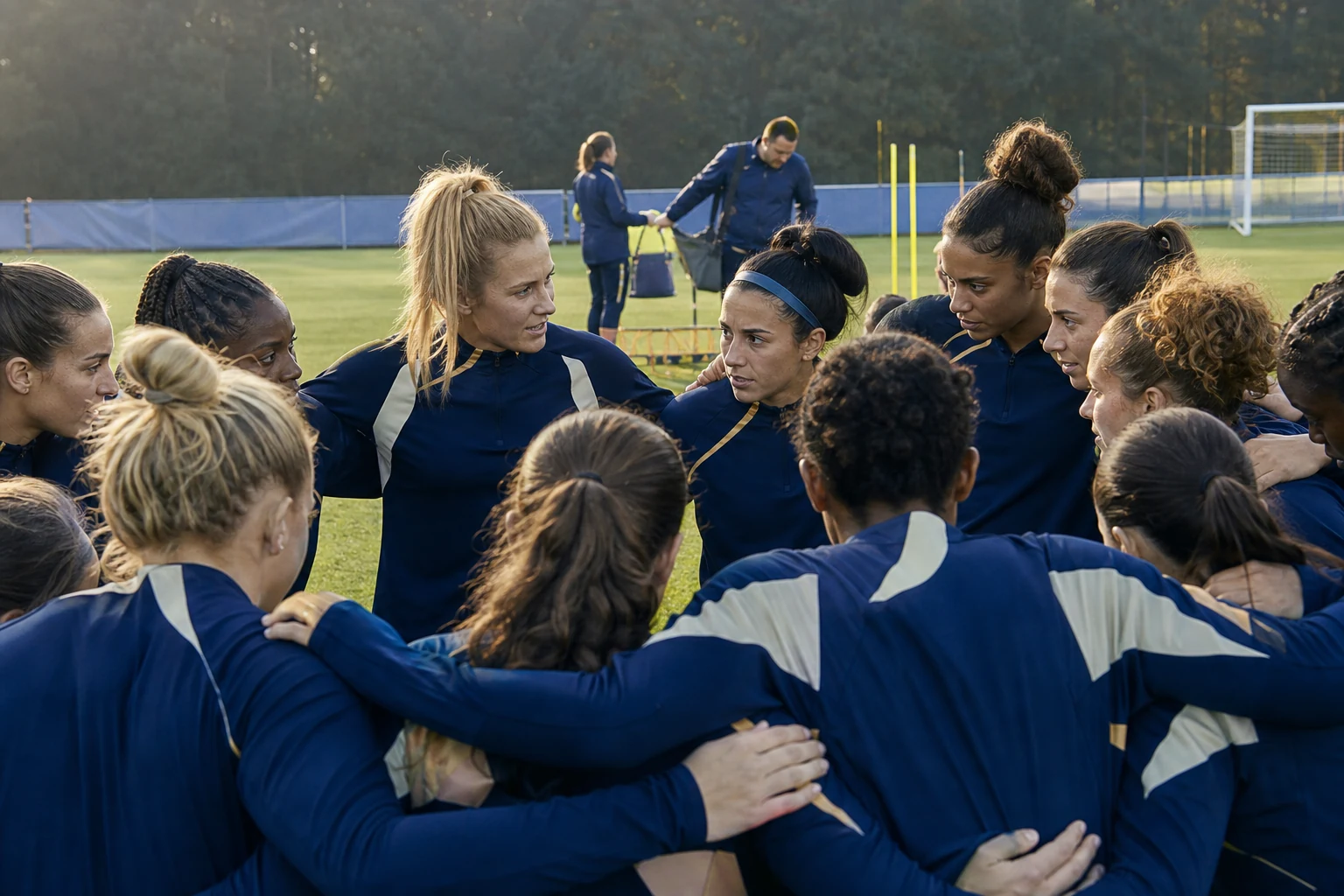
Taking care of your own availability also protects the burden, role and options of your companions.
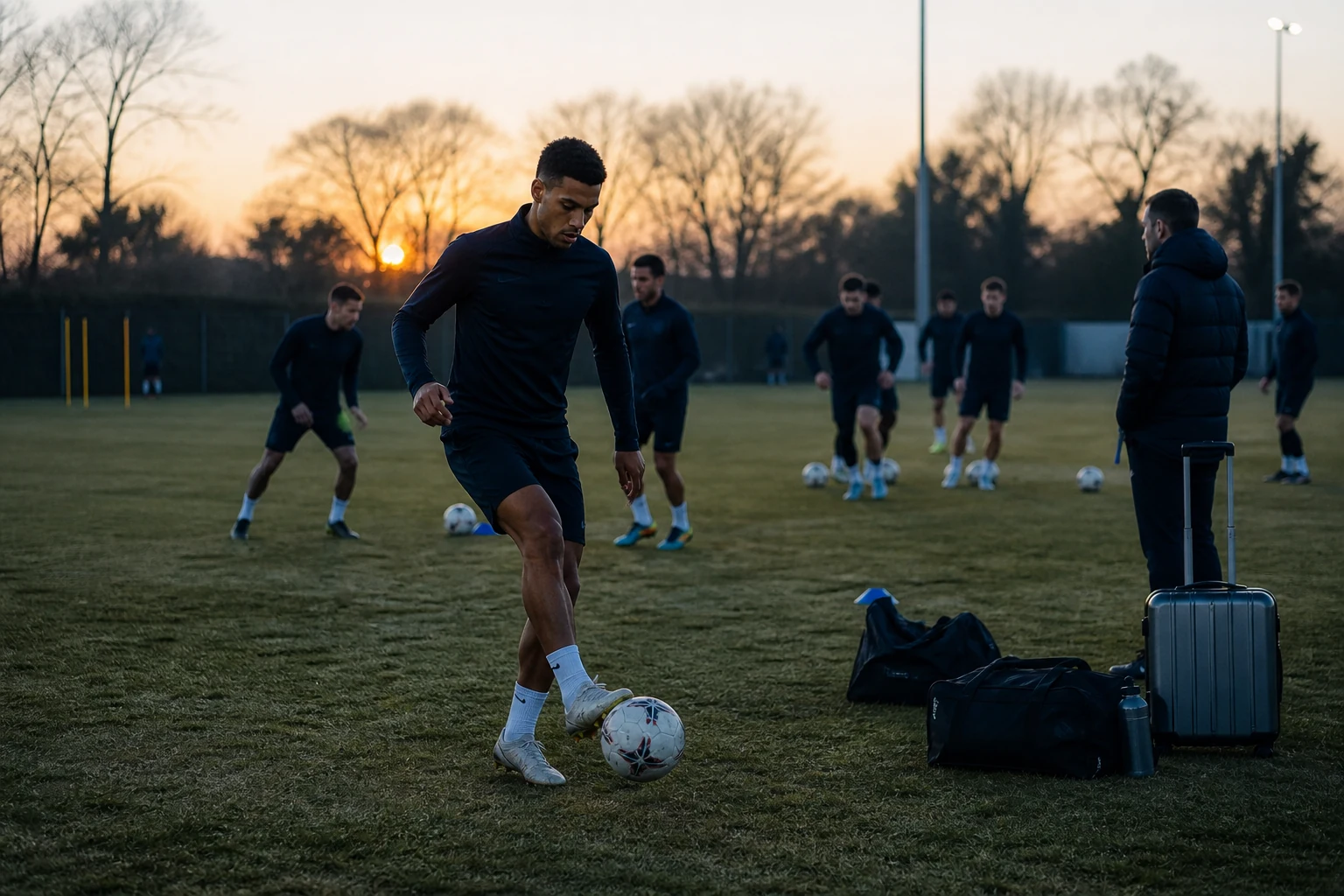
Peaks win moments. Reliability keeps capacity accessible frequently enough to sustain a season.
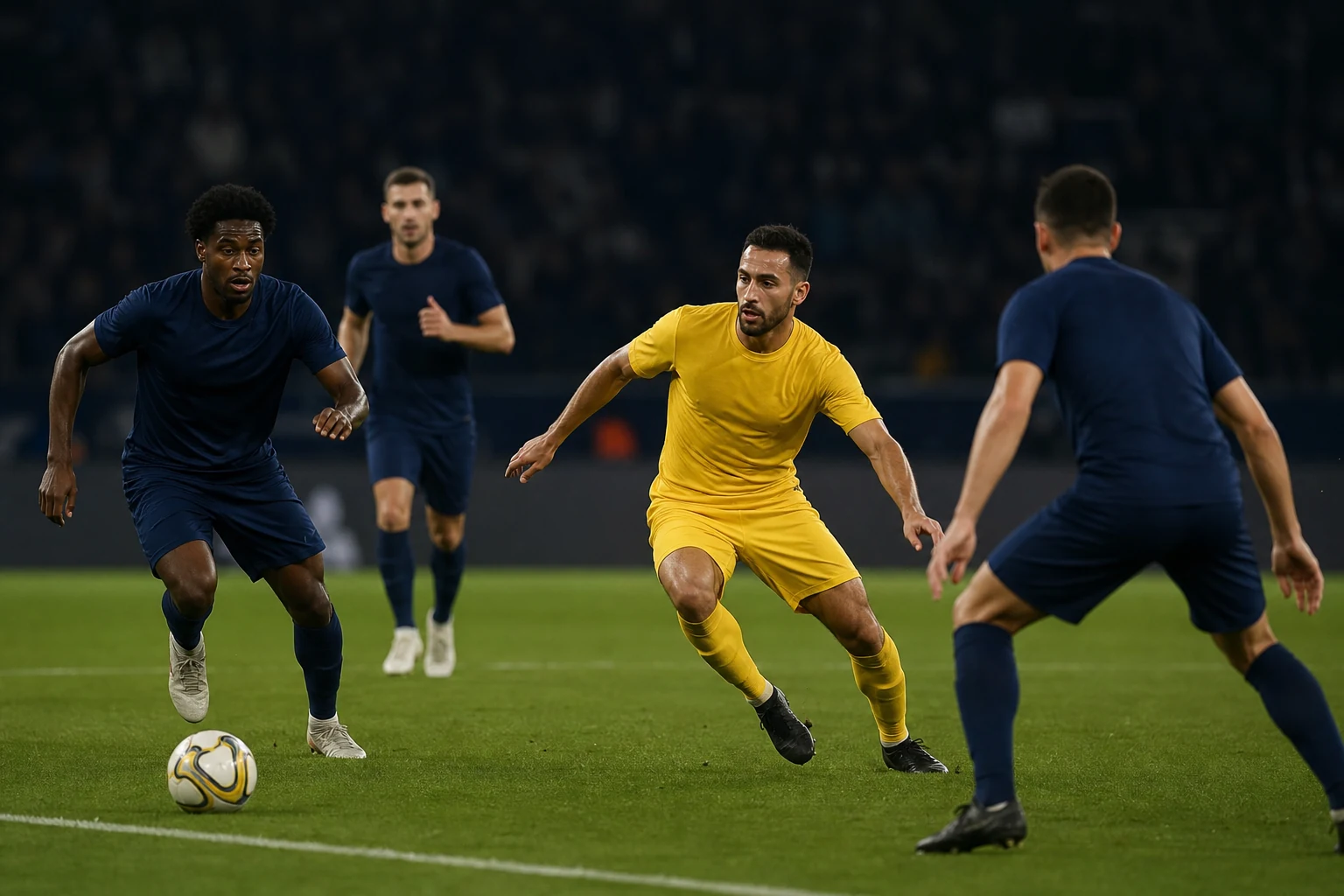
Being present only becomes an advantage when the presence delivers the necessary function with quality and sustainability.
Collection synthesis