

Literature has learned to ask when the athlete returned. Still responds badly when he's back to being who he needs to be.
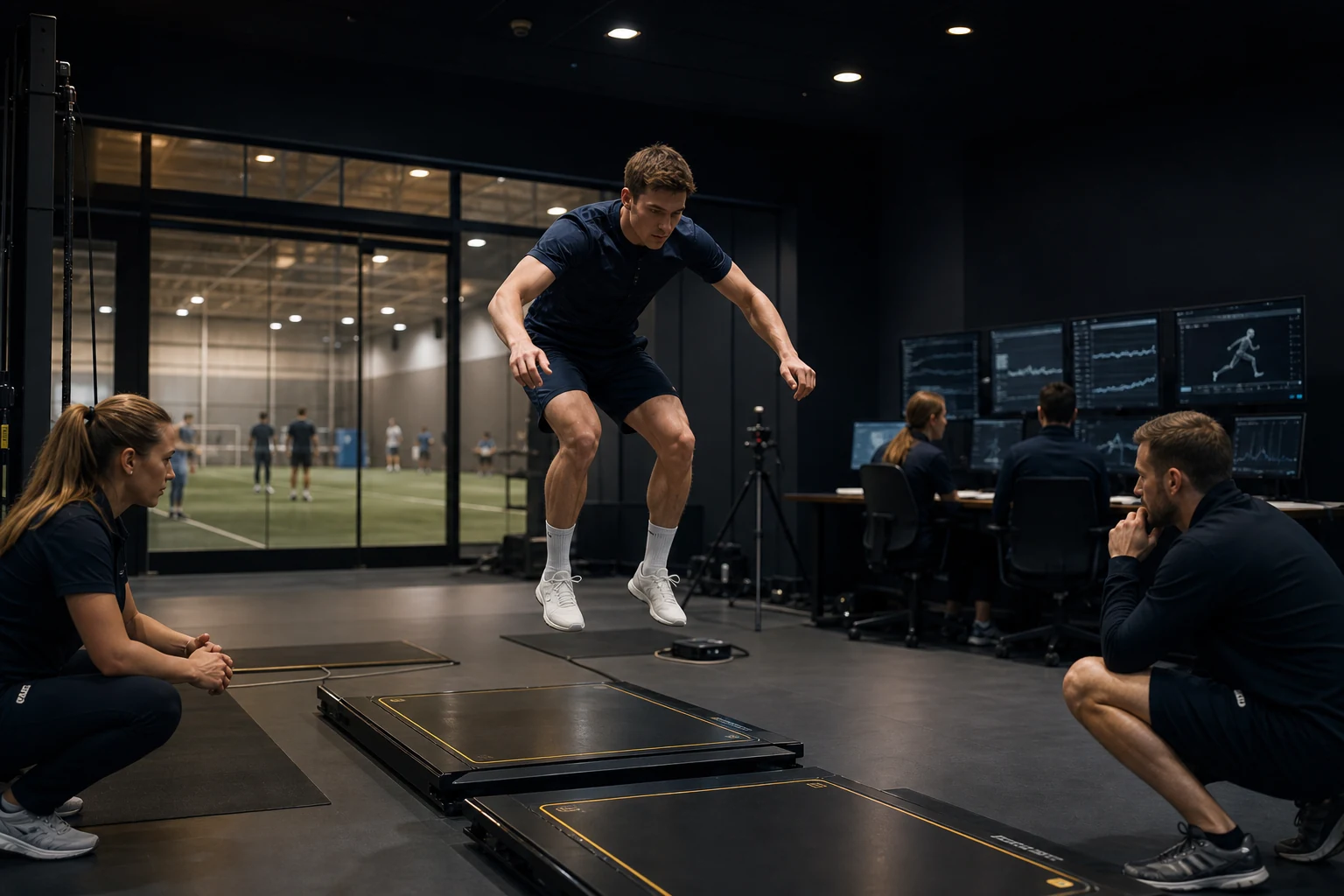
Return to performance requires longitudinal monitoring, not a single test.
Everyone said he was back
At Monday’s meeting, four screens told four stories. The first showed minutes on the pitch. The second, physical tests. The third, tactical actions. The fourth, the athlete’s own perception. Everyone agreed that he had returned. No one fully agreed on where he had arrived.
His minutes were nearing their usual level, but maximal accelerations were still rare. Strength seemed sufficient, yet involvement in decisive plays remained below his previous standard. The athlete said he felt good; he also admitted choosing more carefully when two intense actions came in succession.
If success meant only stepping onto the pitch, the case was closed. If it meant reproducing a pre-injury statistic, he might still be far away. If it meant contributing in a new role within a team that had also changed, the reference point had to be different.
The meeting ended without a single number capable of closing the subject. Instead, the staff defined what to observe over the next three matches and which trend would justify greater responsibility.
From the moment to the criterionThe return-to-performance frontier begins exactly where presence is no longer enough and contribution must be defined over time.
Return to performance — return to performance — was included in the continuum precisely to separate sporting presence from competitive recovery. Almost a decade after Bern's consensus, the concept remains necessary and methodologically incomplete.
Injuries, positions and modalities require different outcomes. Access to game data is uneven. Pre-injury performance fluctuates. The team changes. The athlete matures. Choosing a valid reference is more difficult than recording the date of the first return.
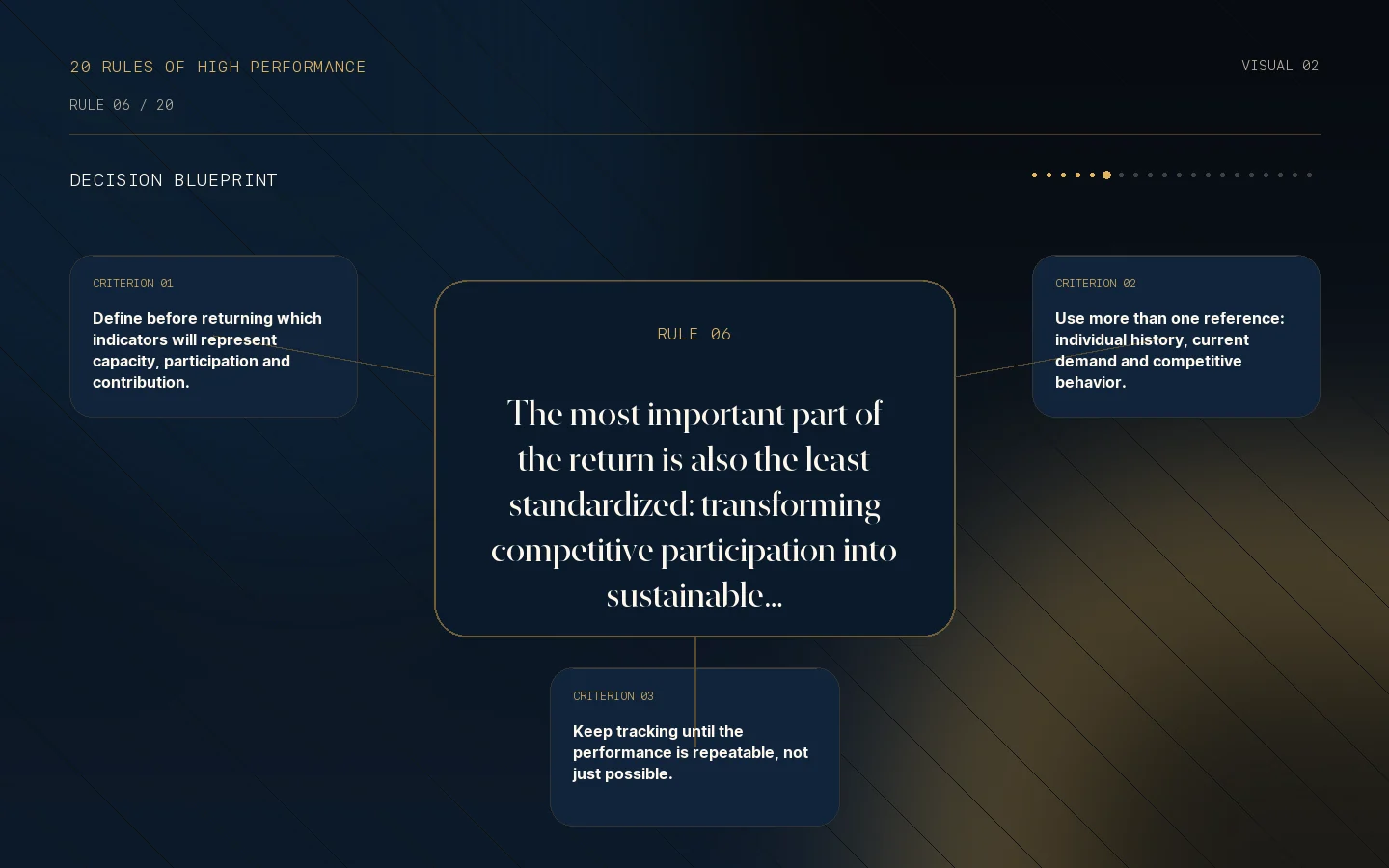
The most important part of the return is also the least standardized: transforming competitive participation into sustainable performance.
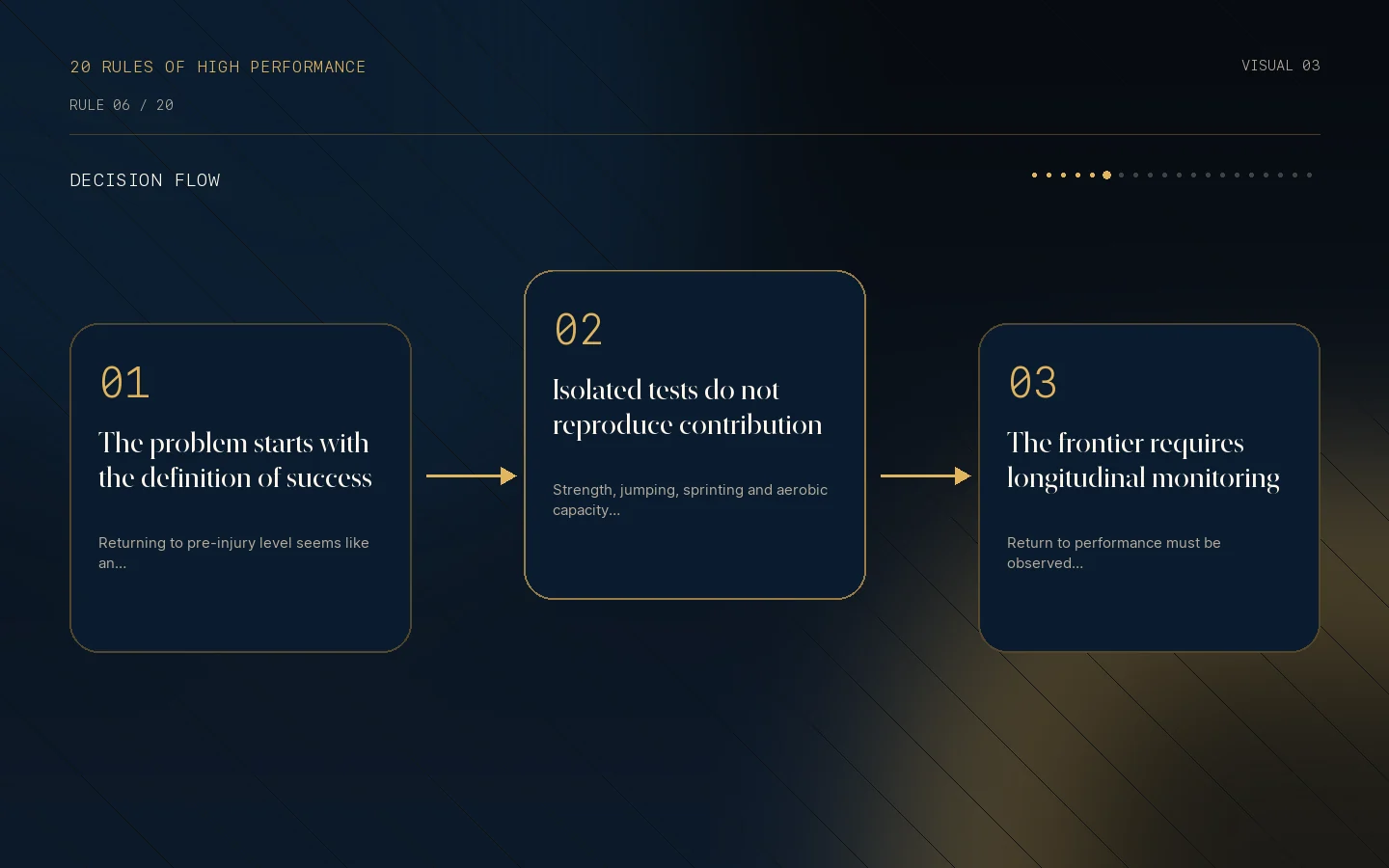
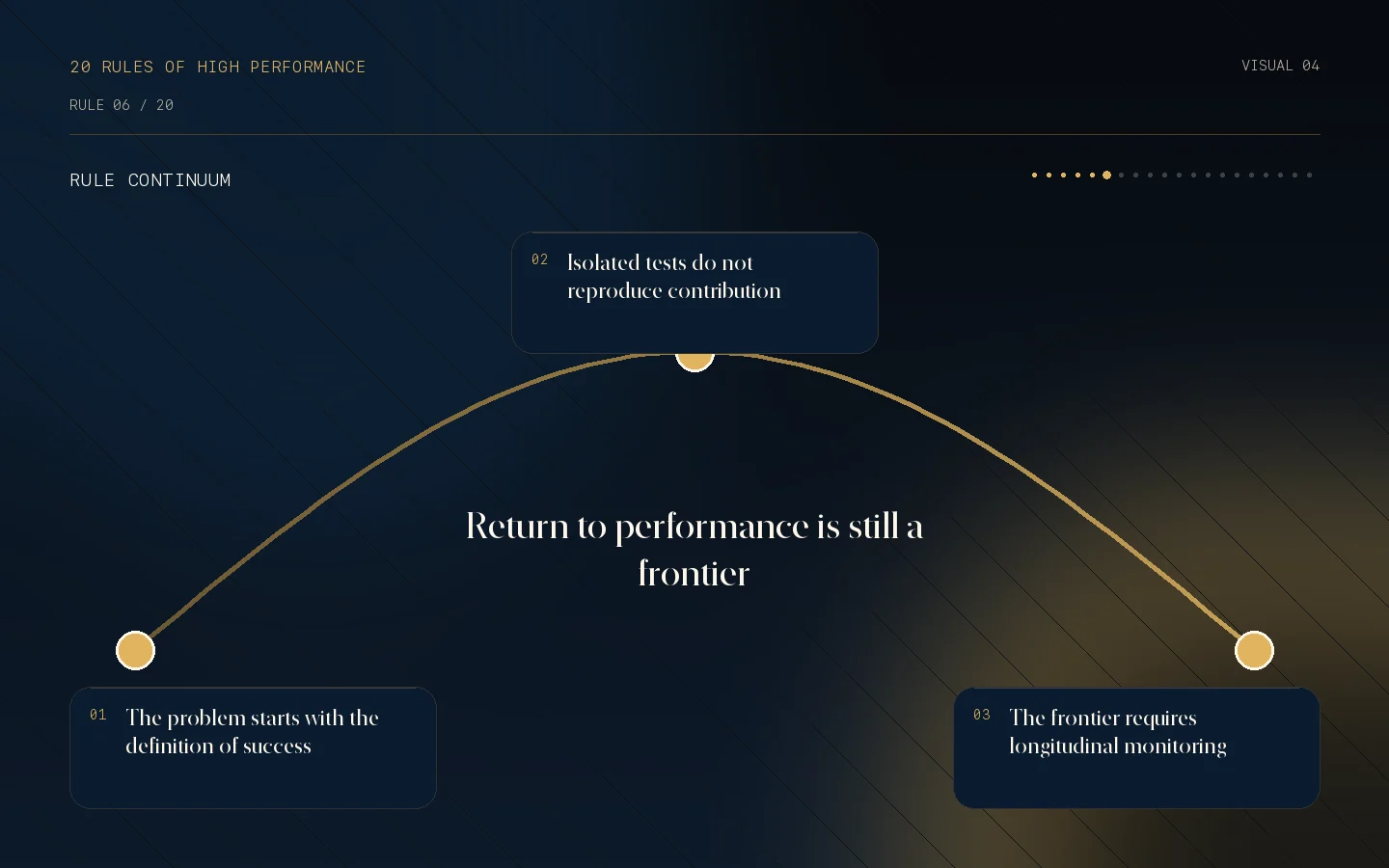
The problem starts with the definition of success
Returning to pre-injury level seems like an intuitive criterion, but which level? The previous season's average, the best period, the specific tactical role or the ability the athlete was expected to develop? Each answer produces a different conclusion.
In team sports, individual data depends on minutes, teammates, opponent, game model and match status. A player may run less because he is limited or because his new role requires better positioning. Without context, the metric measures change and calls everything a loss.
In individual sports, the final result also mixes climate, route, calendar, strategy and quality of the competitive field. The outcome needs to be stable enough to inform, but sensitive to the actual sport.
Literature has learned to ask when the athlete returned. Still responds badly when he's back to being who he needs to be.
Strength, jumping, sprinting and aerobic capacity provide valuable signals. They identify deficits, guide load and allow you to monitor trends. However, competitive performance emerges from the combination of capabilities, ability, decision and environment.
Isolated tests do not reproduce contribution
Strength, jumping, sprinting and aerobic capacity provide valuable signals. They identify deficits, guide load and allow you to monitor trends. However, competitive performance emerges from the combination of capabilities, ability, decision and environment.
A scoping review published in 2026 on competitive alpine skiing after anterior cruciate ligament injury found little evidence on the late stages, especially on return to competition and performance. The gap is sport-specific, but it illustrates a broader problem: We know more about the onset of rehabilitation than we do about the sustained contribution after return.
The practical answer is not to abandon testing. It is to prevent the test from becoming a substitute for the game and to extend monitoring beyond medical clearance.
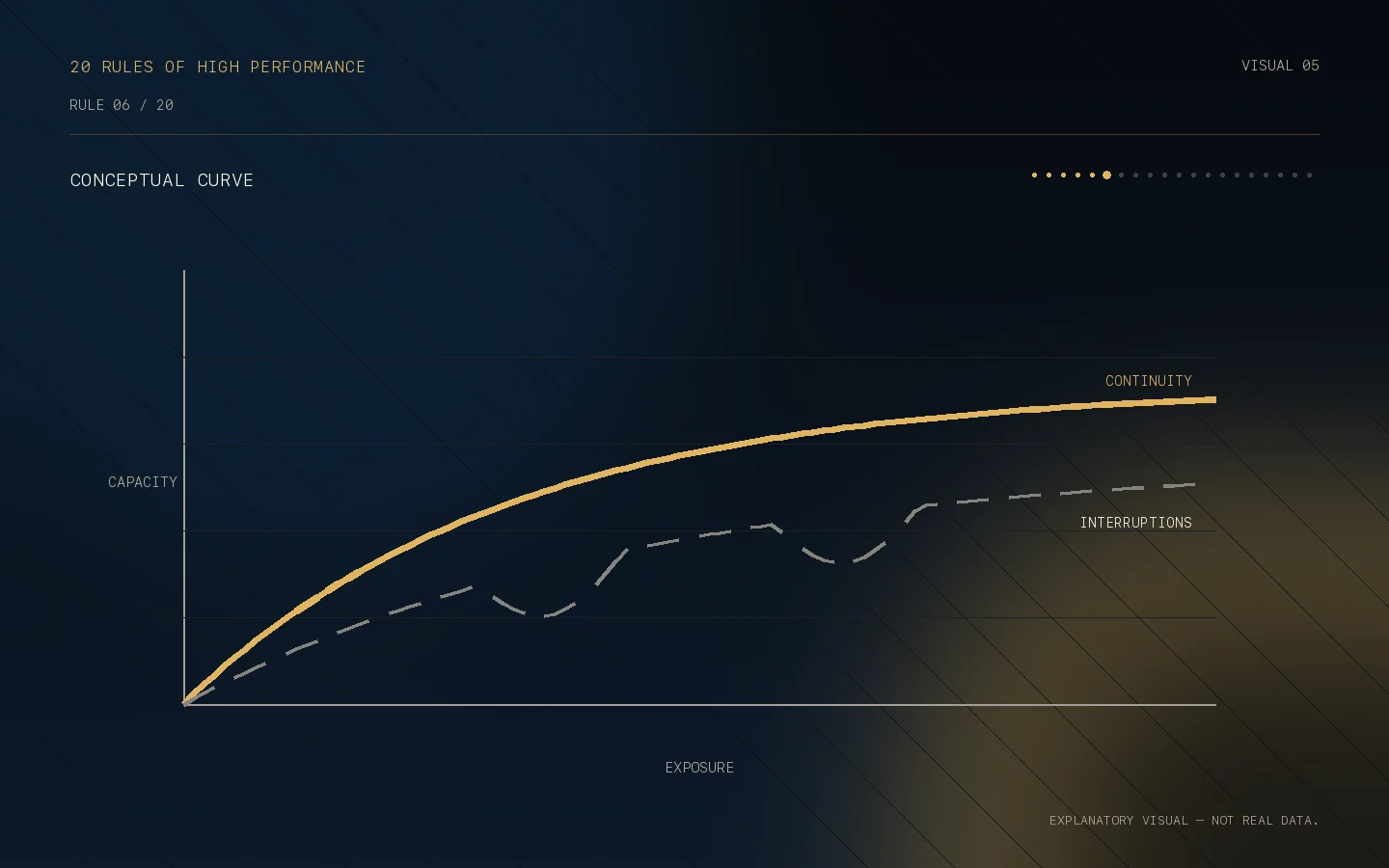
Explanatory visual — not real data.
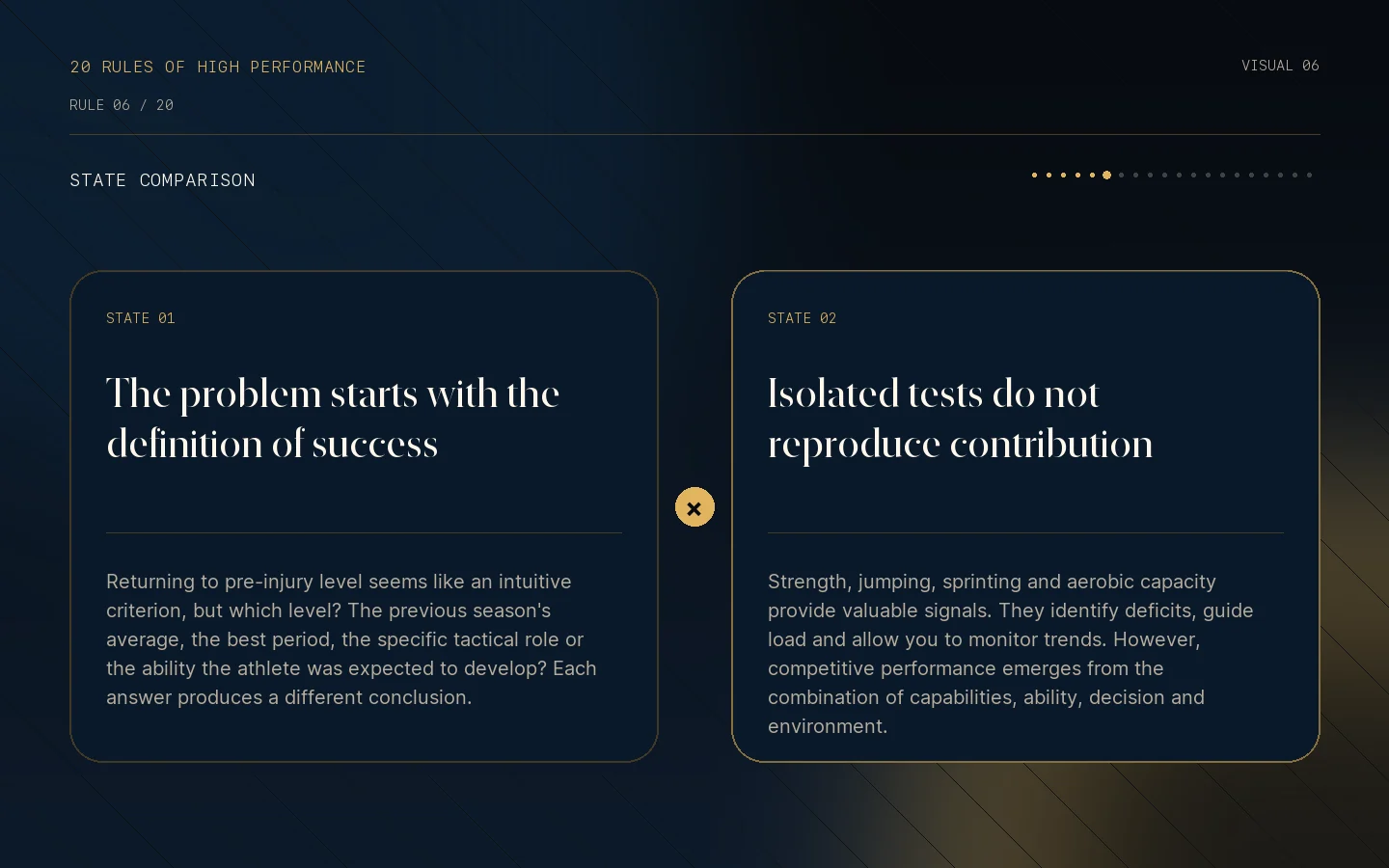
Isolated tests do not reproduce contribution
The frontier requires longitudinal monitoring
Return to performance must be observed as a trajectory. Does competitive exposure grow? Is the quality maintained? Does the athlete tolerate congested weeks? Does confidence increase? Does performance no longer require extraordinary system protection?
These questions do not generate a single score. They generate a decision panel that combines capacity, participation, contribution and cost. The scientific frontier begins to take shape when practice records what happens after the first game.
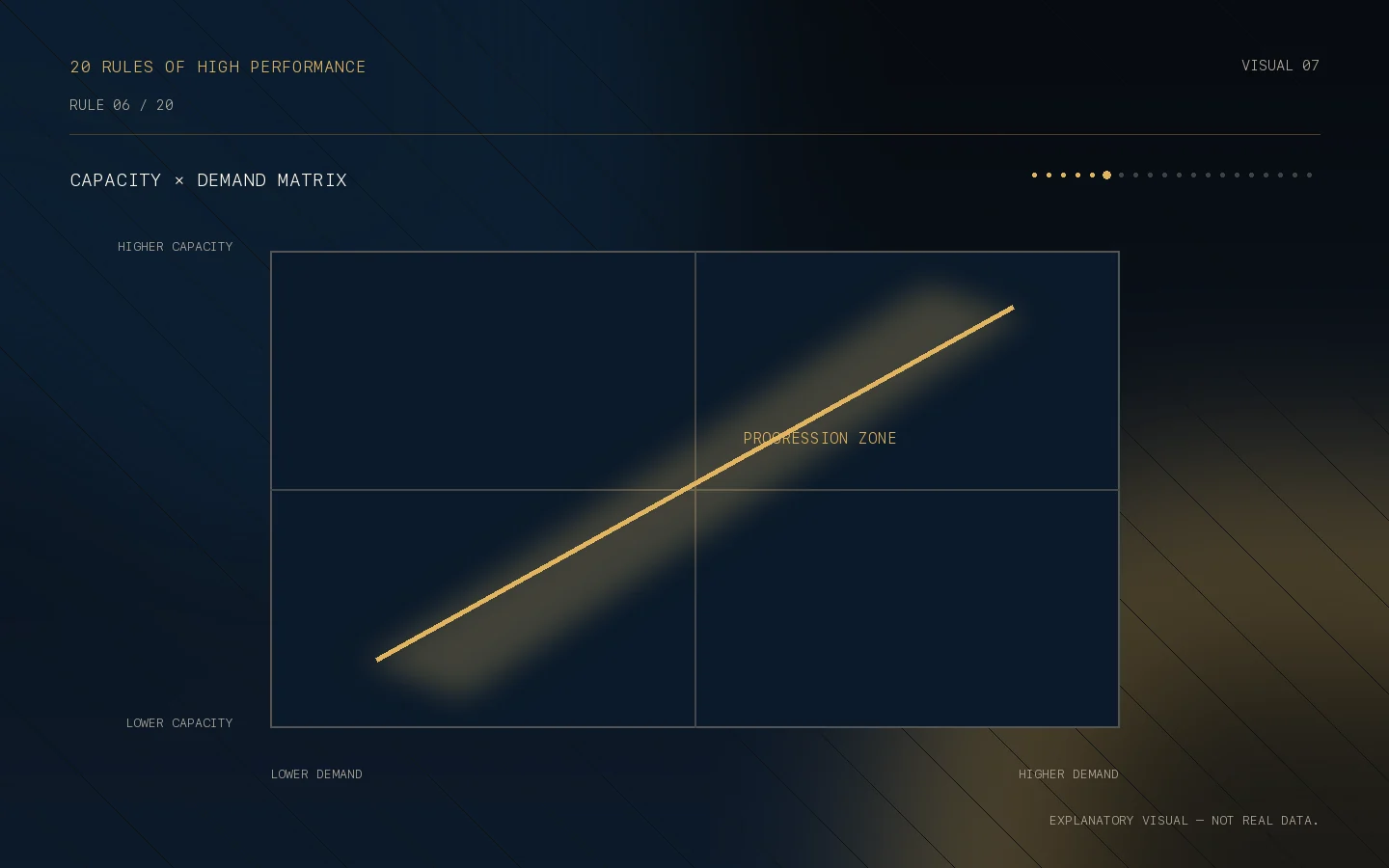
The most important part of the return is also the least standardized: transforming competitive participation into sustainable performance.
There is no universal and validated standard for return to performance. The definition needs to be specific to the sport, function and outcome that really matters.
How to work while the frontier remains open
- Define before returning which indicators will represent capacity, participation and contribution.
- Use more than one reference: individual history, current demand and competitive behavior.
- Keep tracking until the performance is repeatable, not just possible.
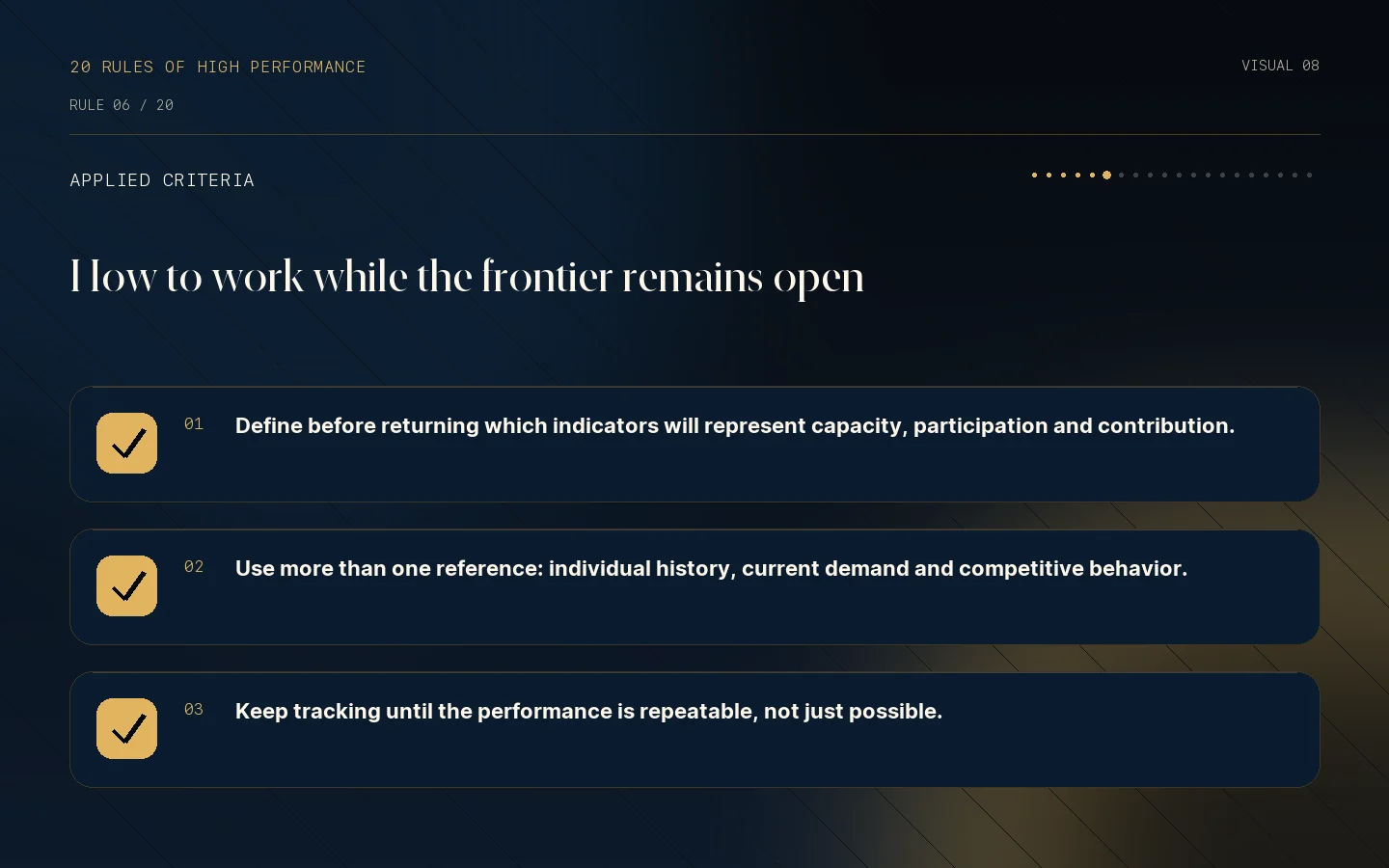
How to work while the frontier remains open
A border is not a void. It is a territory where language must be proportionate to the evidence and measurement must remain humble.
The return to performance will be better understood when teams stop closing the case in the lineup and start documenting the entire trajectory.
Science is still looking for the best marker. Practice cannot fail to ask the best question.