
Science that reaches the routine
How to transform evidence into protocols, choices and behaviors that can be executed.
Performance Journal · Rafa Barleze
Articles for those who need to transform science into decisions.
Nutrition, health, recovery, leadership and behind the scenes environments where every choice has consequences.Long texts, field notes and analyzes built from science and experience within high performance.
 Performance
Before changing your diet or training, assess the evidence, outcomes, and experience of following the plan. Criteria for keeping or adjusting your strategy.
 Performance
Small actions matter when the environment reduces friction, the system records feedback, and the routine remains flexible enough not to automate error.
 Health
Exercise is healthy, but saving effort is also deeply human. The realistic path combines need, pleasure, bonding and progression.
 Performance
Dopamine helps explain why the next goal calls so much. Performance improves when expectation, effort, feedback and presence come together again.
 Performance
The best people reader doesn't hunt for magical signs: they build hypotheses, look for patterns, check context and preserve the right to be wrong.
 Performance
Language, imagery, and modeling can be useful—provided high performance separates a testable technique from its explanation and promise.
 Performance
Five lessons from Daniel Lieberman for thinking about load, energy, recovery, environment and cooperation in high performance.
 Sports science
Energy is not only what an athlete expends: it is also what the body stops supporting when training takes up too much of the budget.
 Performance
How to automate the predictable, preserve attention, reduce friction, and know when a routine must become a decision again.
 Performance
The book’s main lesson is not how to lengthen telomeres, but how to apply load, recover, adapt, and repeat without confusing maximal effort with high performance.
 Sports science
A reading on genes, environment, training, and recovery—and how to individualize high performance without abandoning scientific evidence.
 Nutrition
A 2026 review puts blood glucose back at the center of fatigue and questions high doses — without turning 10 g/h into a universal rule.
 Nutrition
What the 2026 ISSN position stand actually supports about food, supplements, recovery, and the risk of erasing useful training signals.
 Performance
Training, nutrition, and recovery produce performance only when stimulus, resources, state, skill, environment, and decision-making work as a system.
 Sports science
Why adding training to daily expenditure can inflate a prescription — and how to adjust energy without normalizing underfueling.
 Performance
Attendance creates opportunity, adherence protects the plan, and attitude turns repetition into learning—provided each pillar is regulated.
 Performance
What the challenge × skill graph really teaches about attention, development, and performance—from training to leadership.
 Sports science
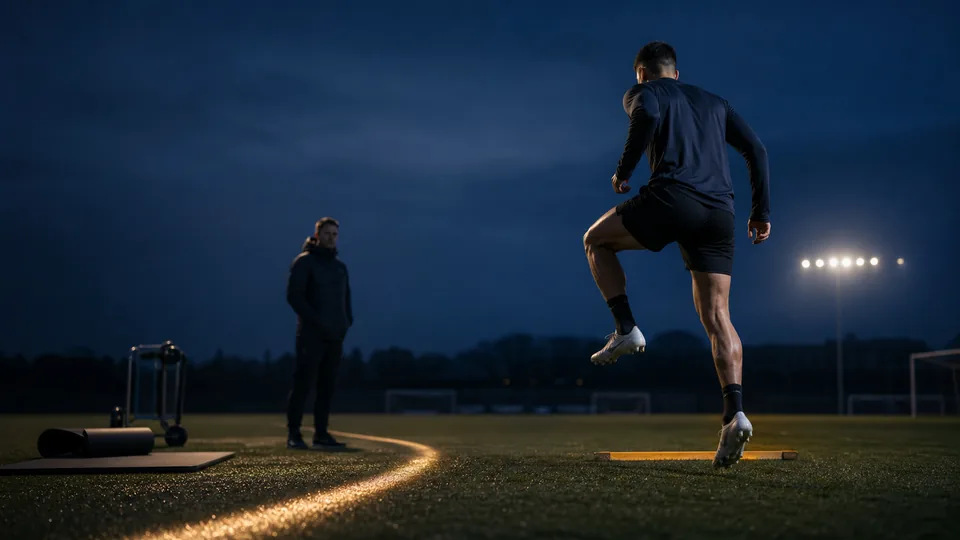
What 30 weeks after a rupture of the patellar tendon teach about strength, field load, function and confidence in the decision to return.
 Health
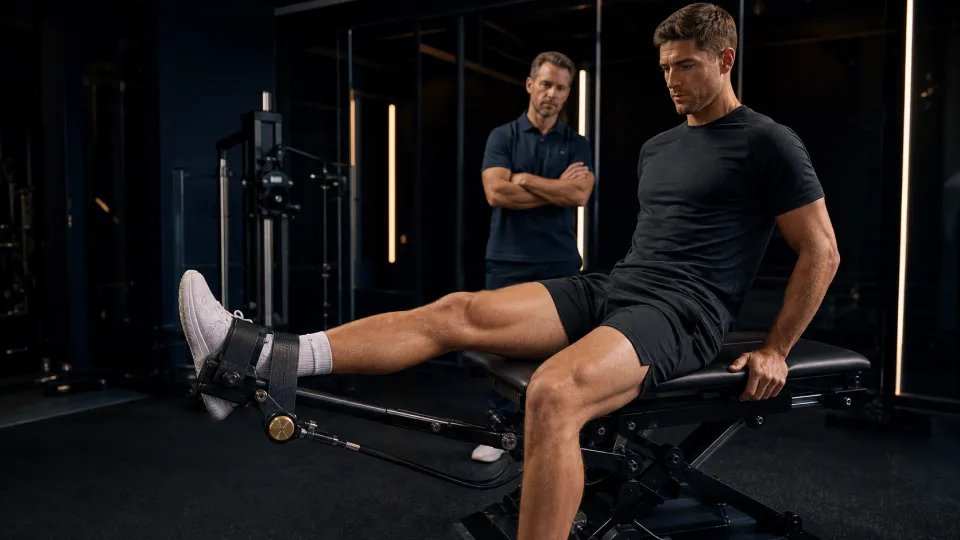
As pre-habilitation reveals who can follow without reconstruction — and when instability, demand and associated injuries favor surgery.
 Sports science
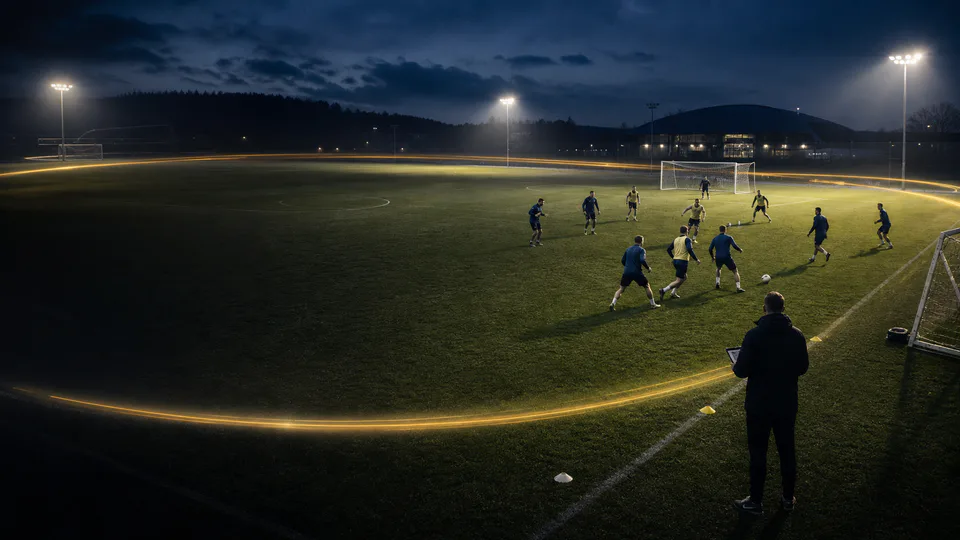
How to connect game model, load and recovery between matches without turning tactical periodization into a fixed recipe.
 Nutrition
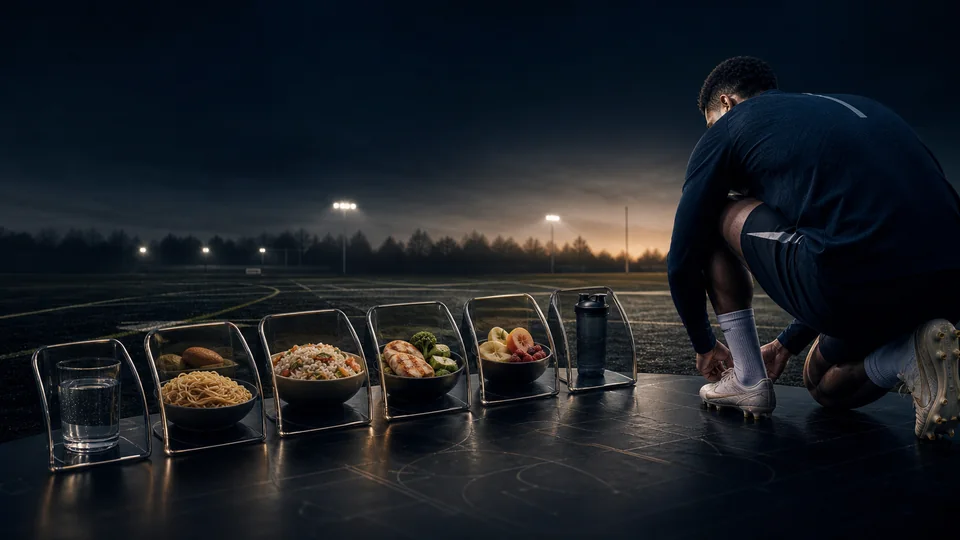
How to adjust carbohydrate intake, recovery, gut training, and supplements to the work each session needs to produce.
 Nutrition
The difference between energy balance, counting, diet quality and individual response — and when numbers really help.
 Sports science
Why running on a curve is neither a bent linear sprint nor a cut — and how to assess and train this specific quality.
 Performance
What really needs to be adjusted — and what can stop being complicated — for strength, hypertrophy, power and adherence.
 Performance
Why VO₂max helps repeat sprints, restore power, and sustain explosive actions — without replacing speed or strength.
 Health
A low result may signal illness or simply reflect blood-draw timing, energy availability, body weight, medications, or acute illness. Learn how to interpret it before looking for shortcuts.
 Sports science
Force plates produce dozens of CMJ metrics. See how to select a concise, reliable panel that can genuinely guide decisions.
 Performance
Beetroot, citrulline, and arginine can act on the nitric oxide pathway. Their value depends on whether the mechanism reaches an outcome that matters.
 Performance
How AI can expand mental support to athletes without replacing context, connection, supervision and professional responsibility.
 Sports science
The classic rep range is efficient, but not exclusive. See how load, effort, exercise selection, and context shape the best choice.
 Nutrition
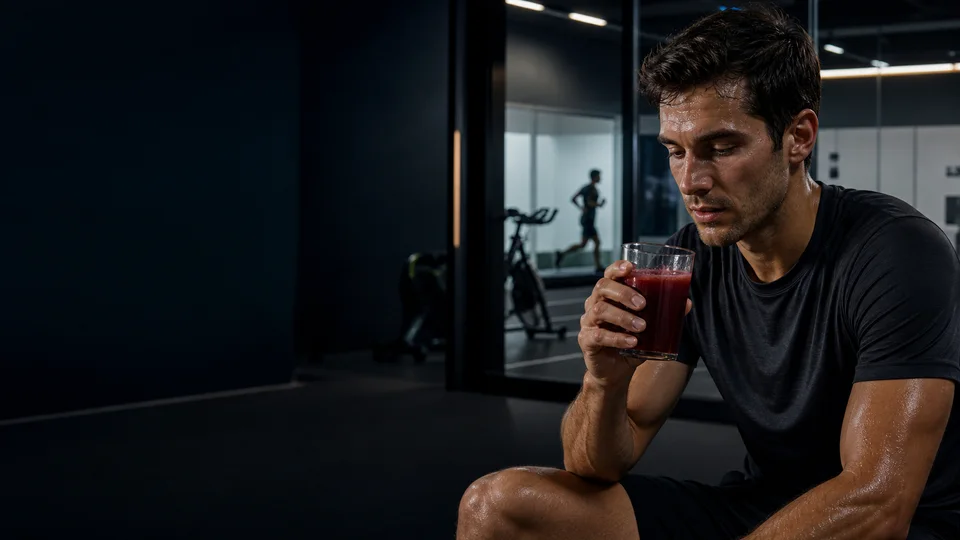
Nitrate may produce small gains in some types of effort. Learn who is more likely to respond, what dose to test, and why serving volume is not the same as dose.
 Performance
A 2026 audit of dopamine, effort, autonomy, competence, and the conditions that transform intention into action.
 Sports science
How the transition from non-starter to starter changes the reading of the external load accumulated between two matches.
 Sports science
Why daily spending may rise less than expected — without decreasing the value of exercise for health and performance.
 Performance
How light, sleep, food and training help the body recognize when to speed up, recover and sleep.
 Nutrition
Daily total, serving per meal, and the contexts in which increasing protein actually makes sense.
 Performance
What really improves your ability to produce energy — and why training, fuel, and recovery come before supplements.
 Nutrition
It participates in the synthesis of collagen, creatine and glutathione. Understand why this still does not prove an ergogenic effect.
 Nutrition
Post-workout protein matters, but adaptation doesn't disappear once the clock ticks past 30 minutes. Understand what really deserves priority.
Four perspectives for organizing knowledge without separating what, in practice, needs to work together.
How to transform evidence into protocols, choices and behaviors that can be executed.
Strategies that consider training, calendar, travel, recovery, culture and individuality.
The role of sleep, availability, metabolism and longevity in building results.
Processes, people, communication and criteria to decide under pressure without losing consistency.